
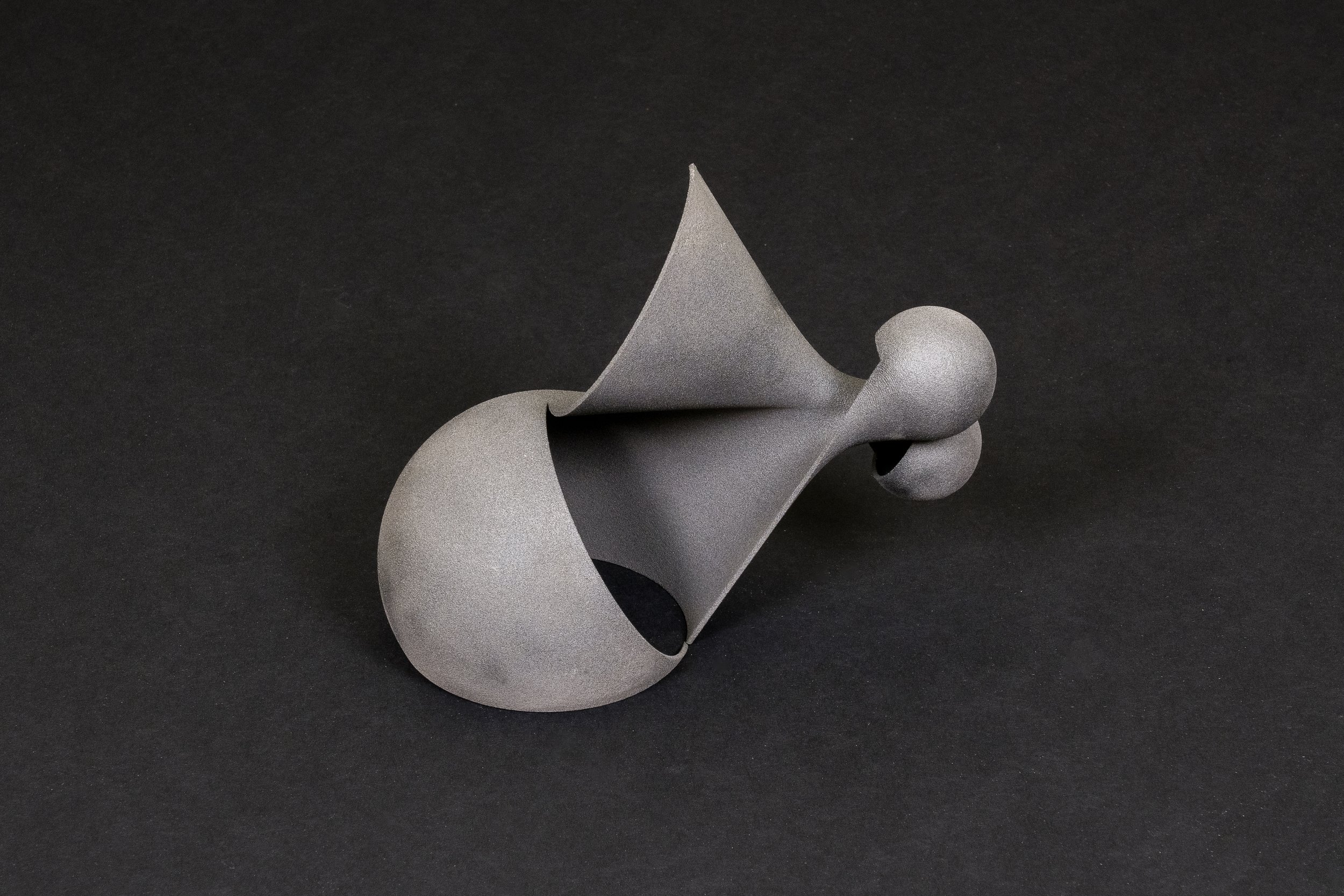
Spatial Paradoxes
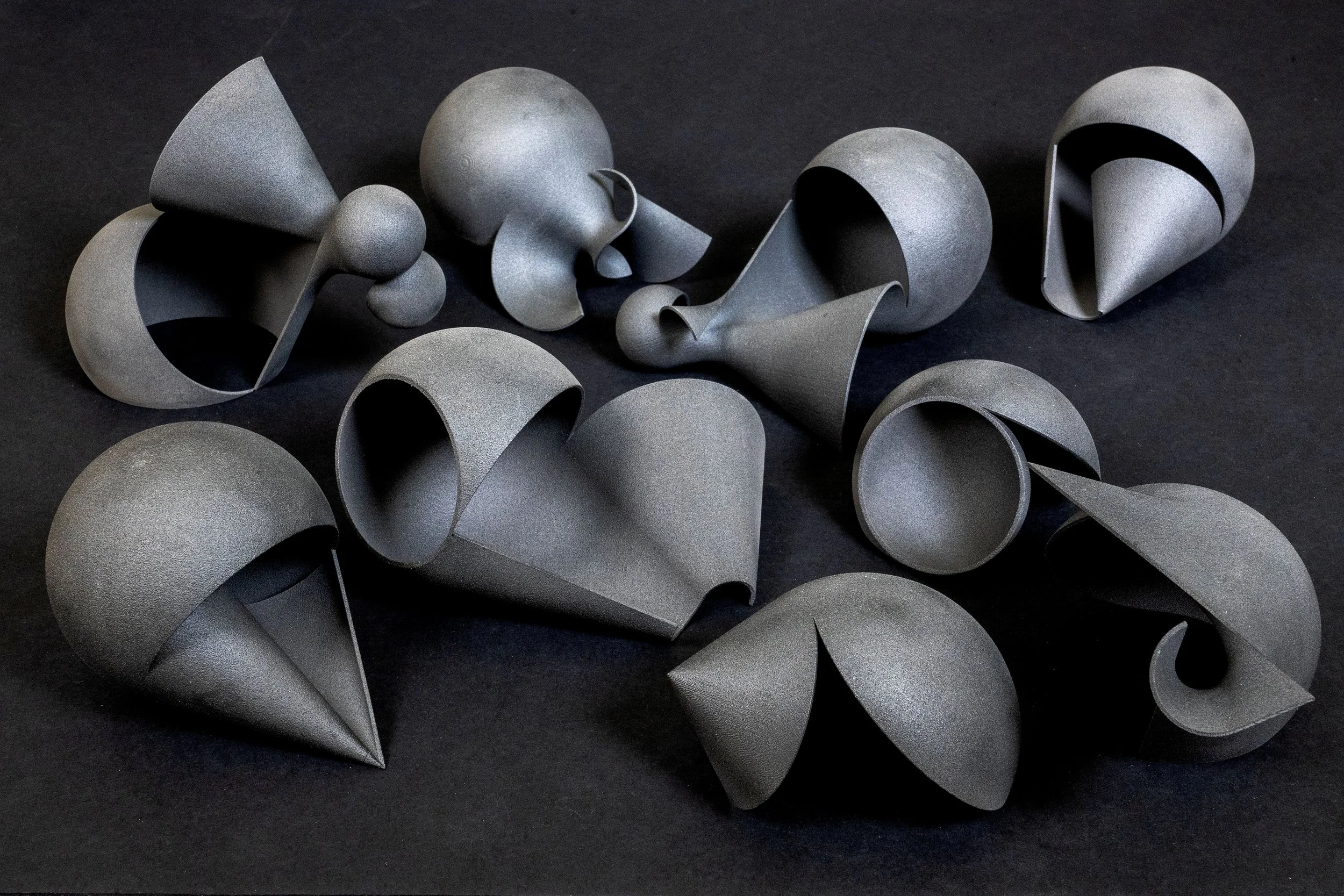
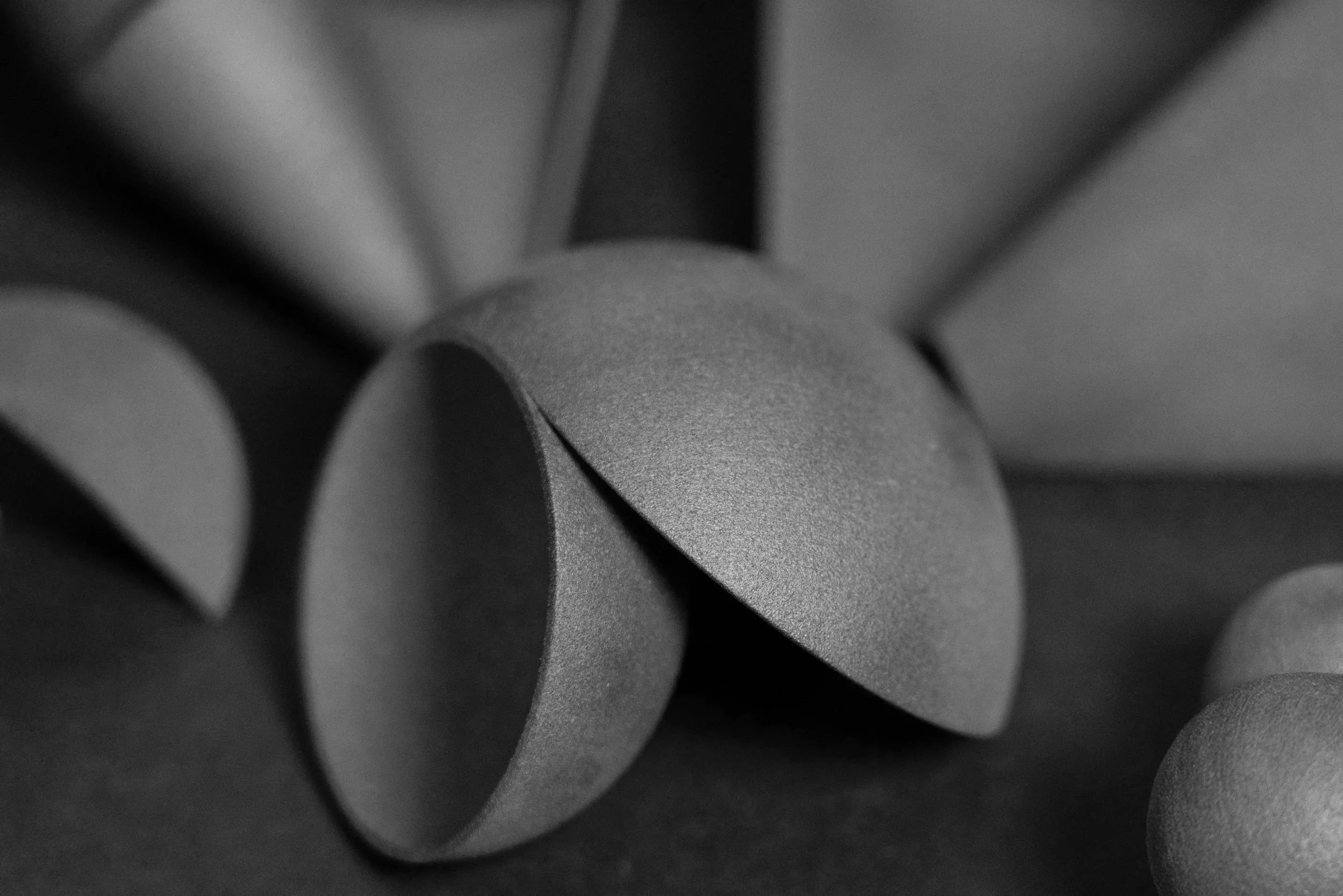
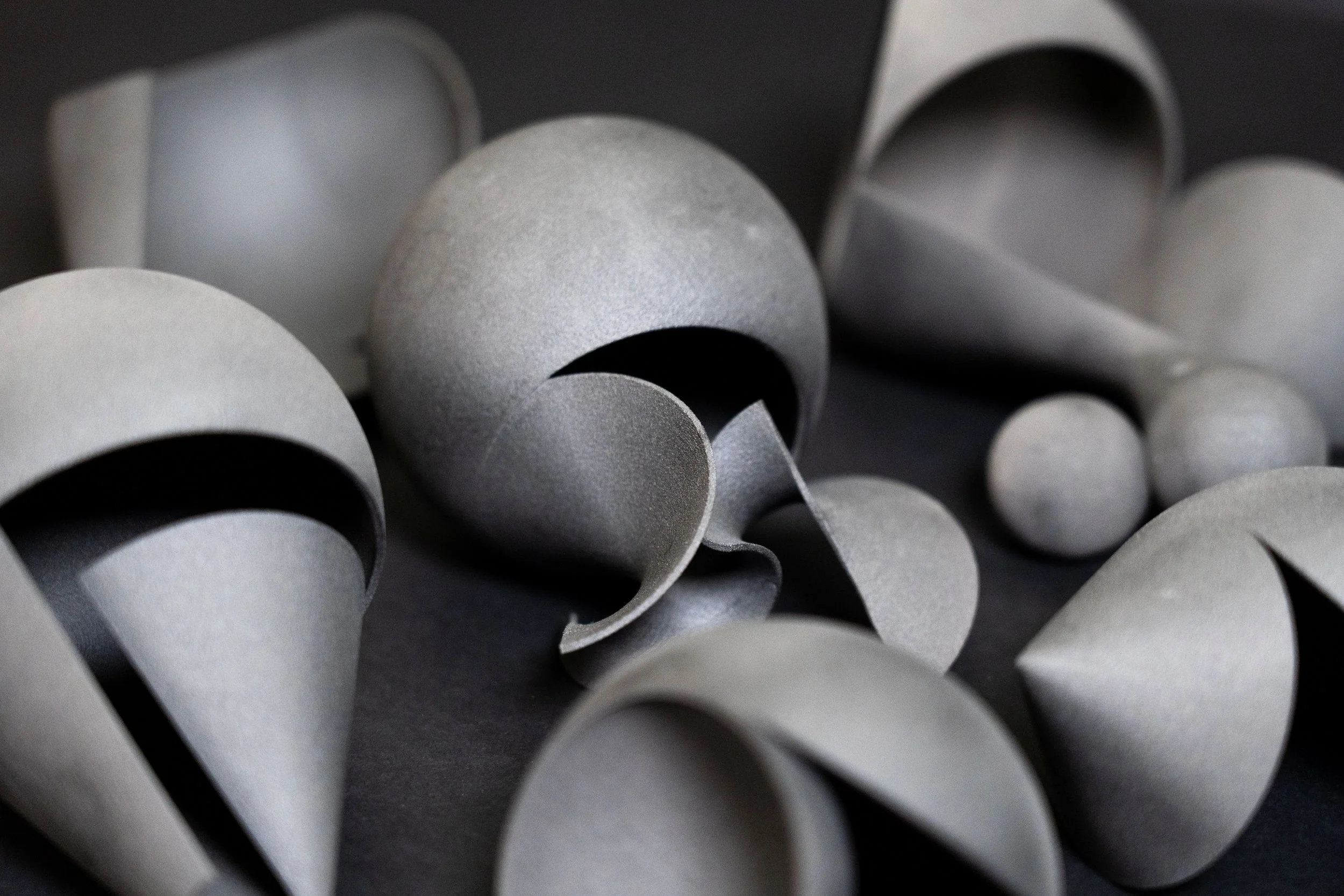
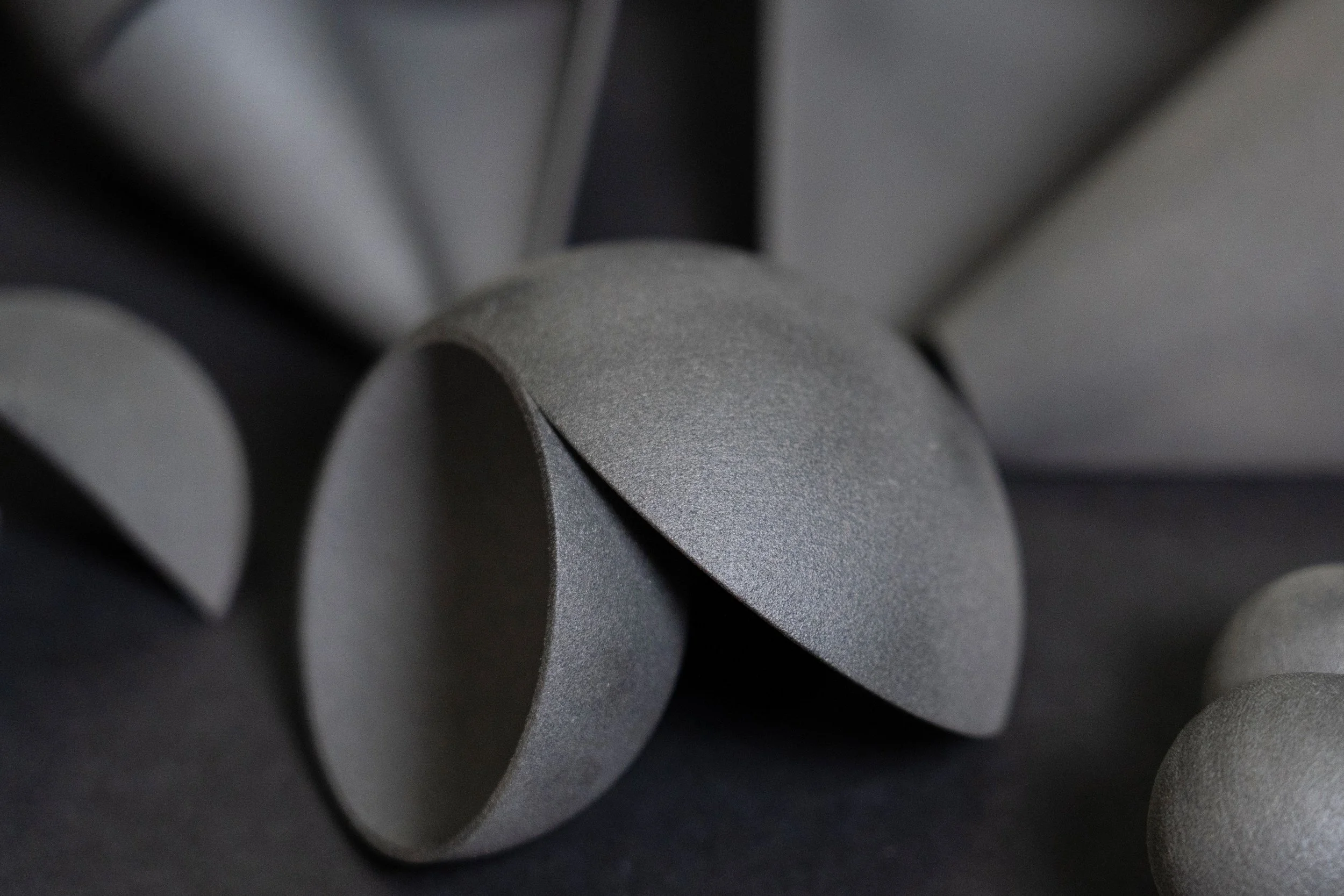
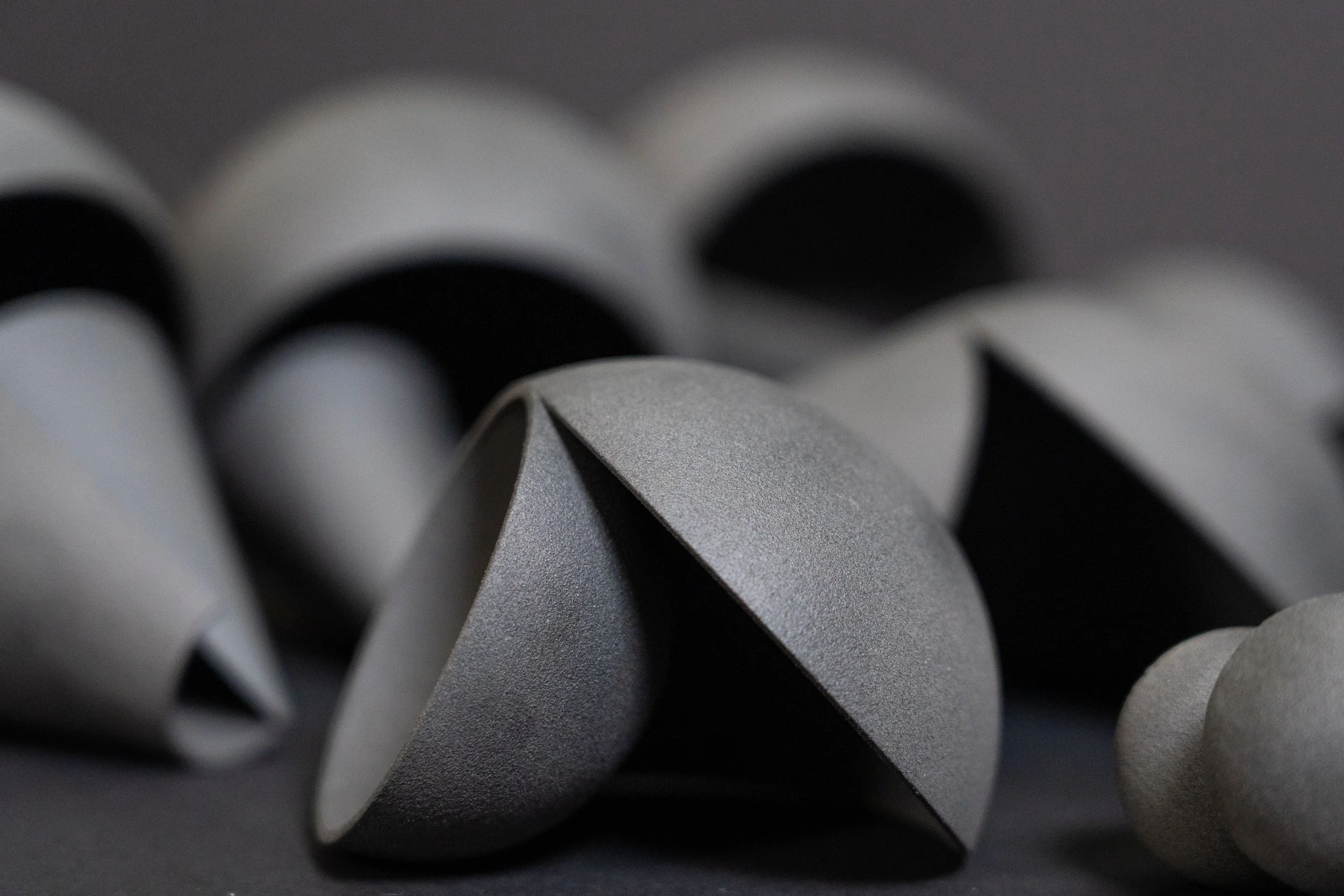
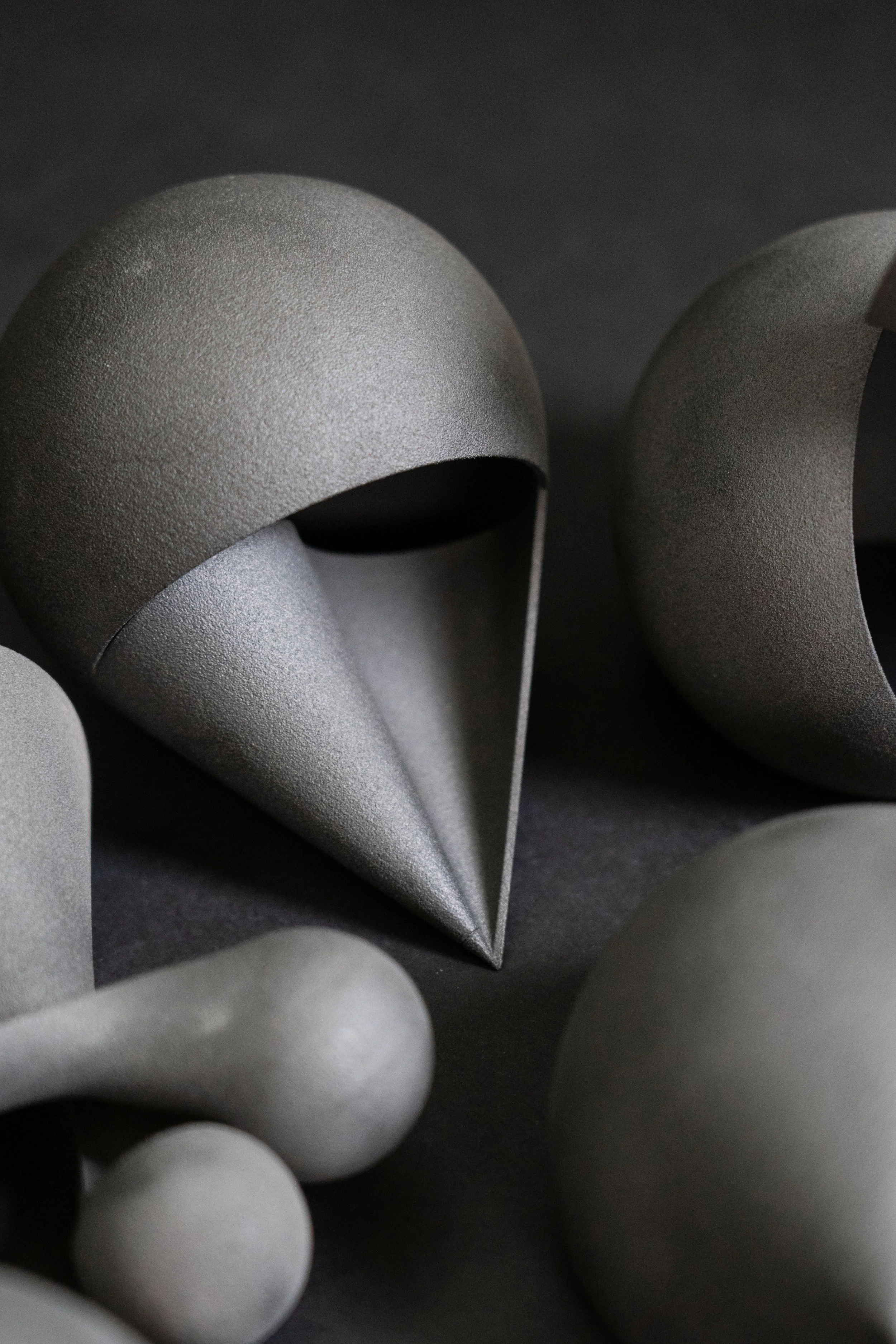
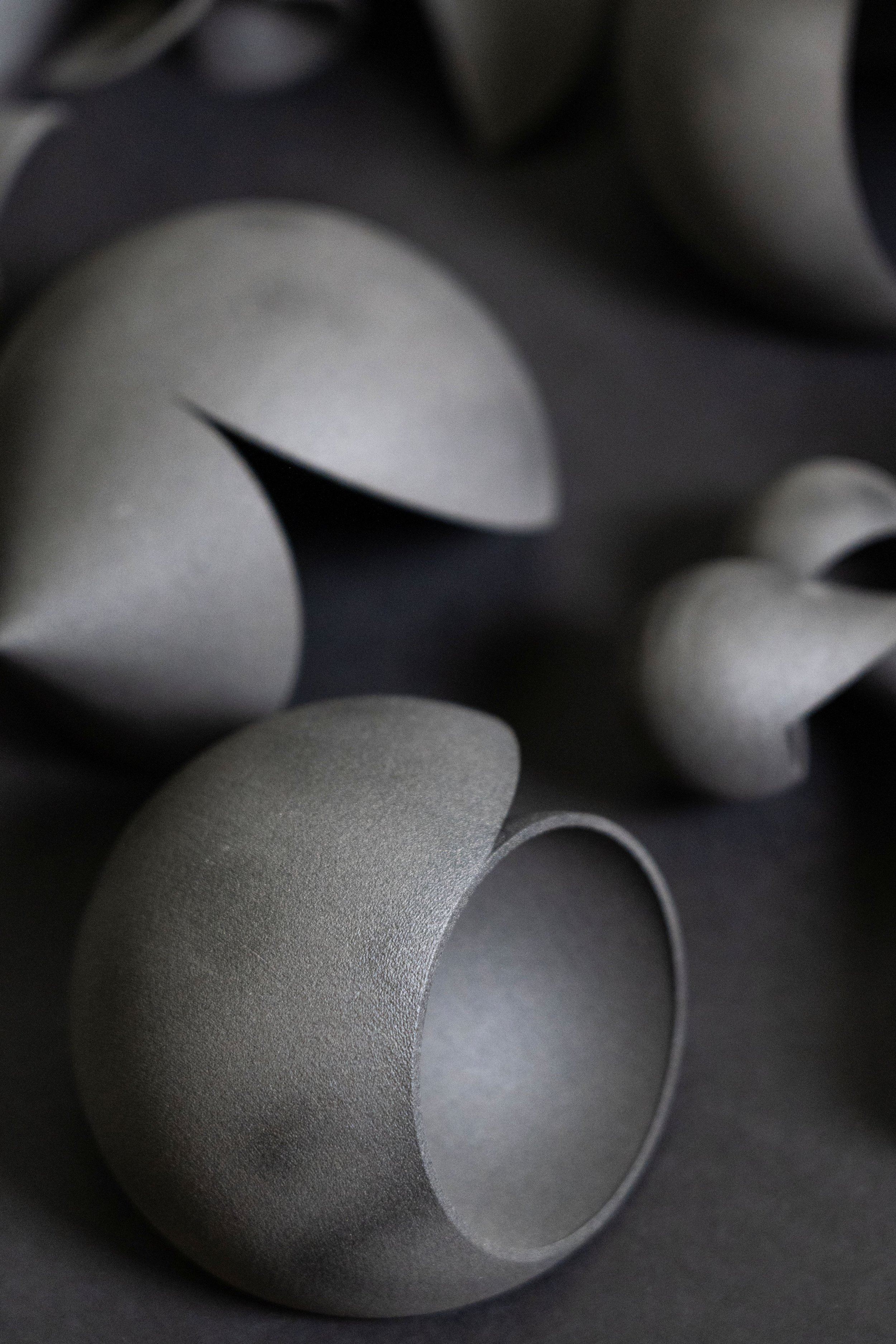
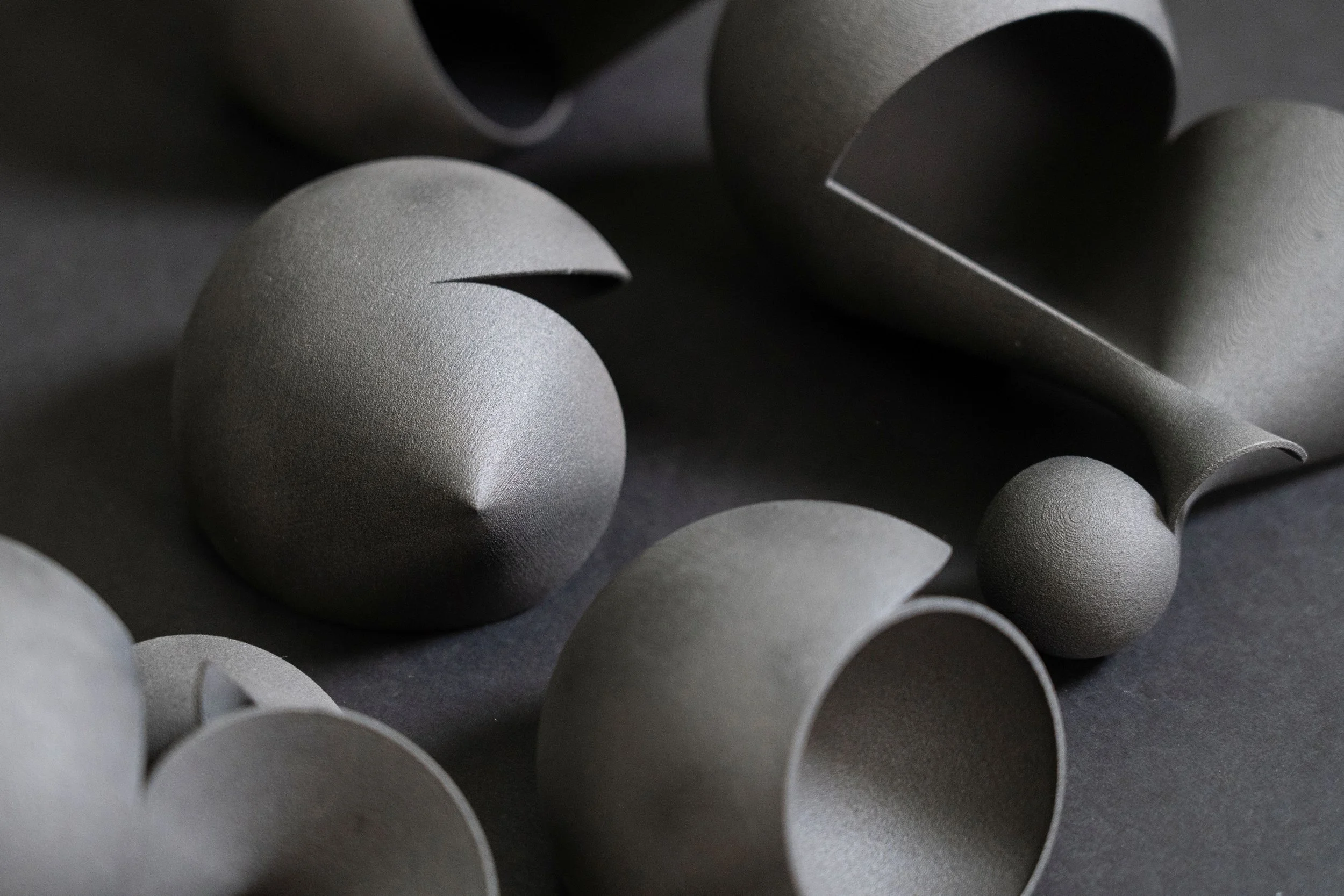
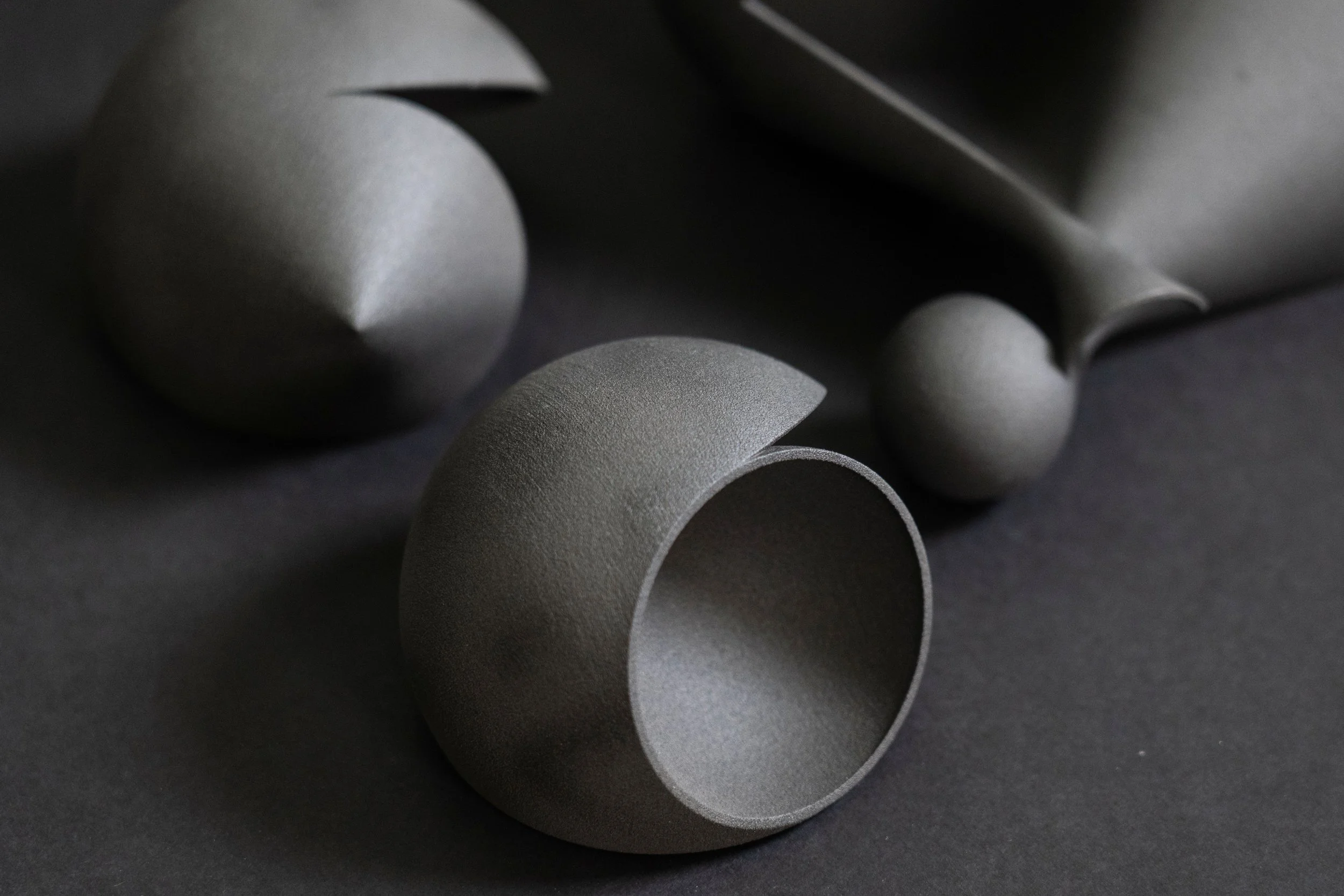
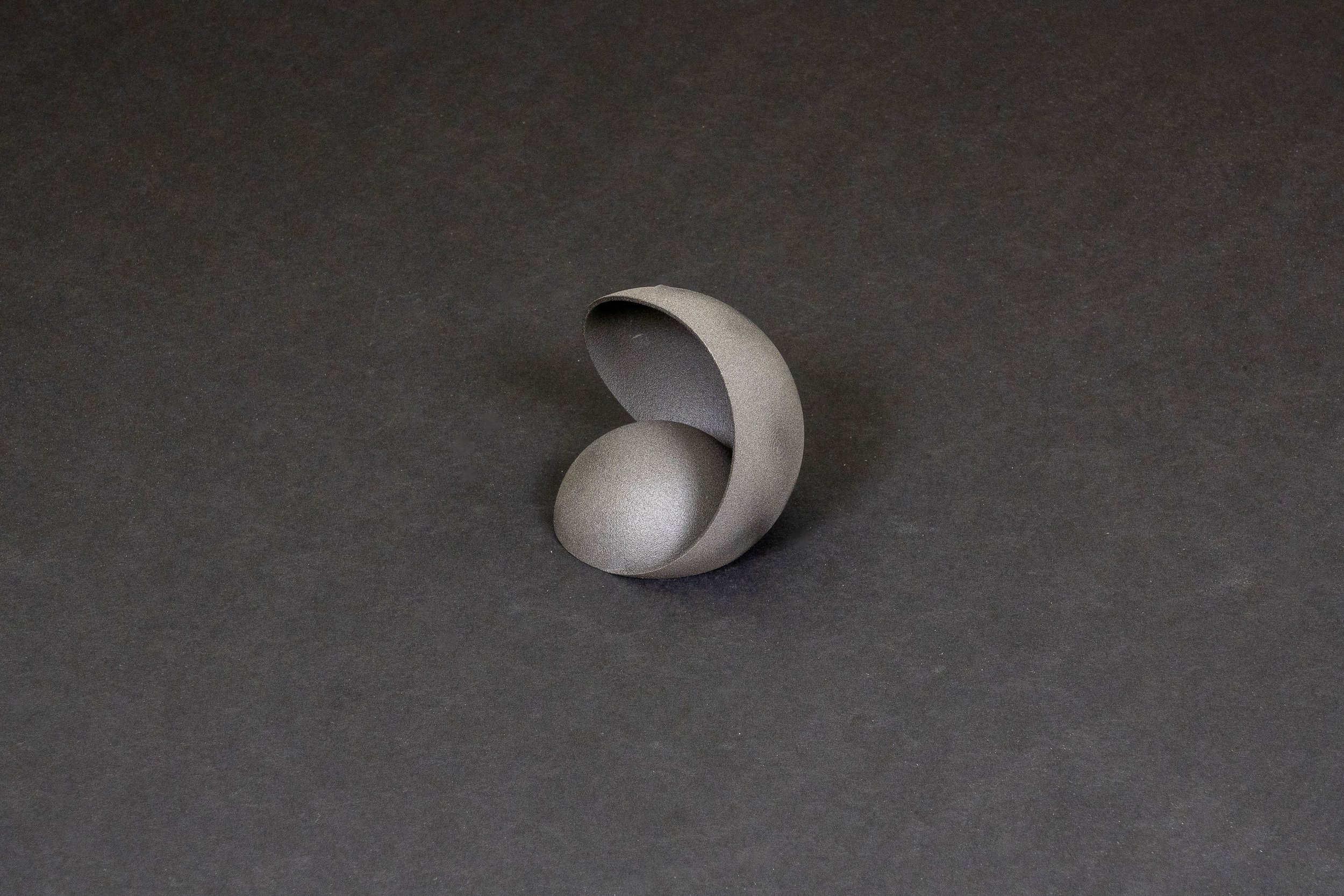
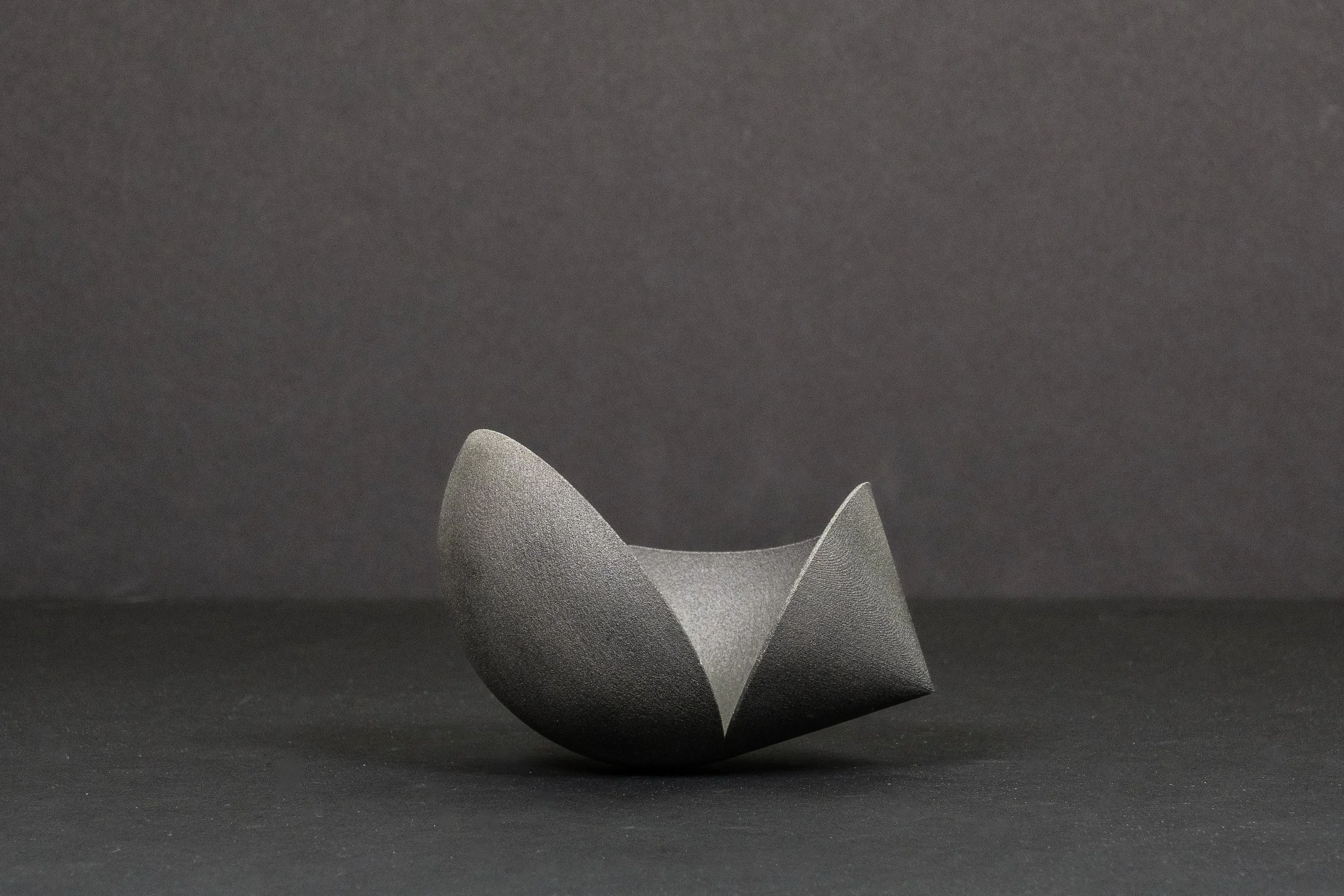
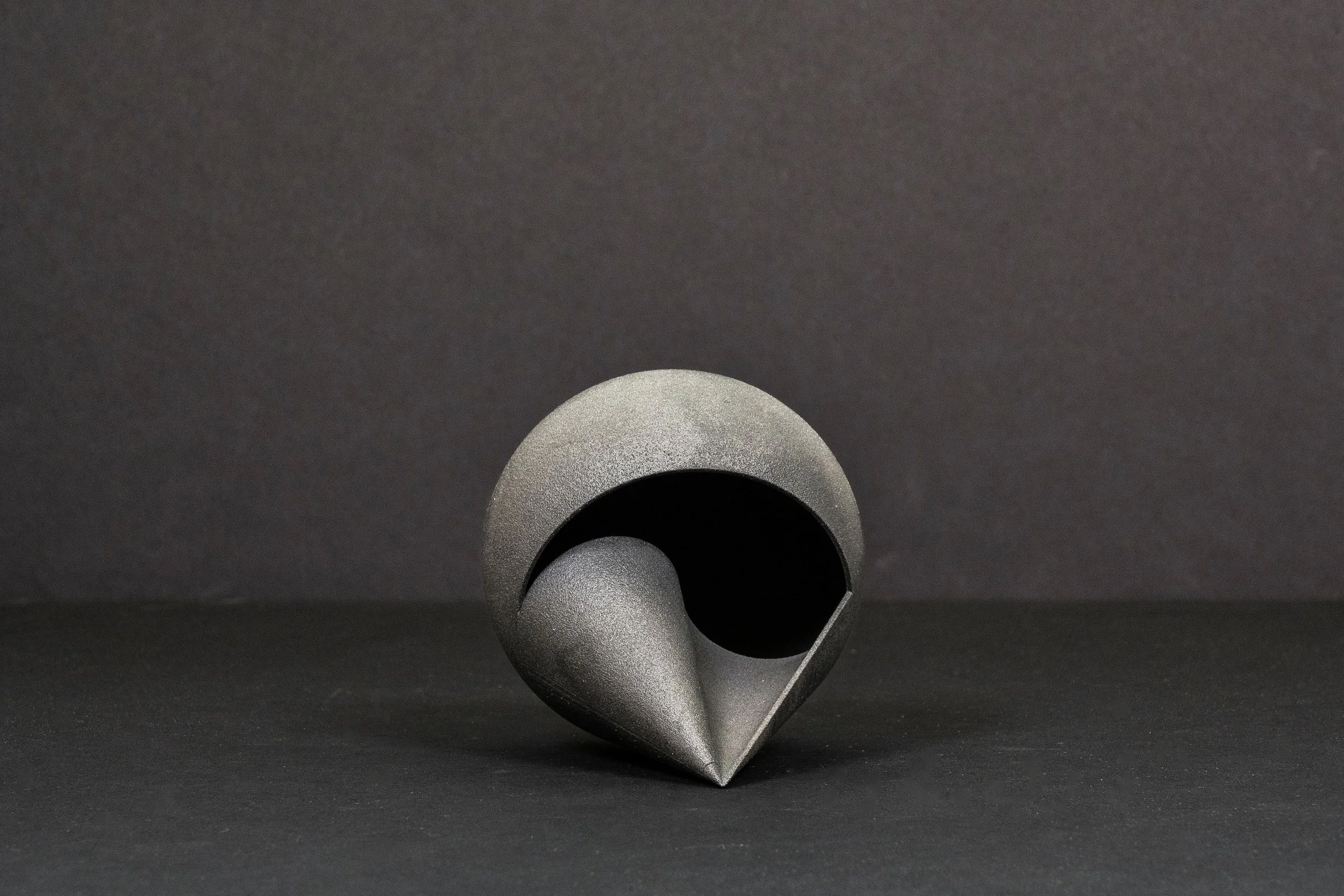
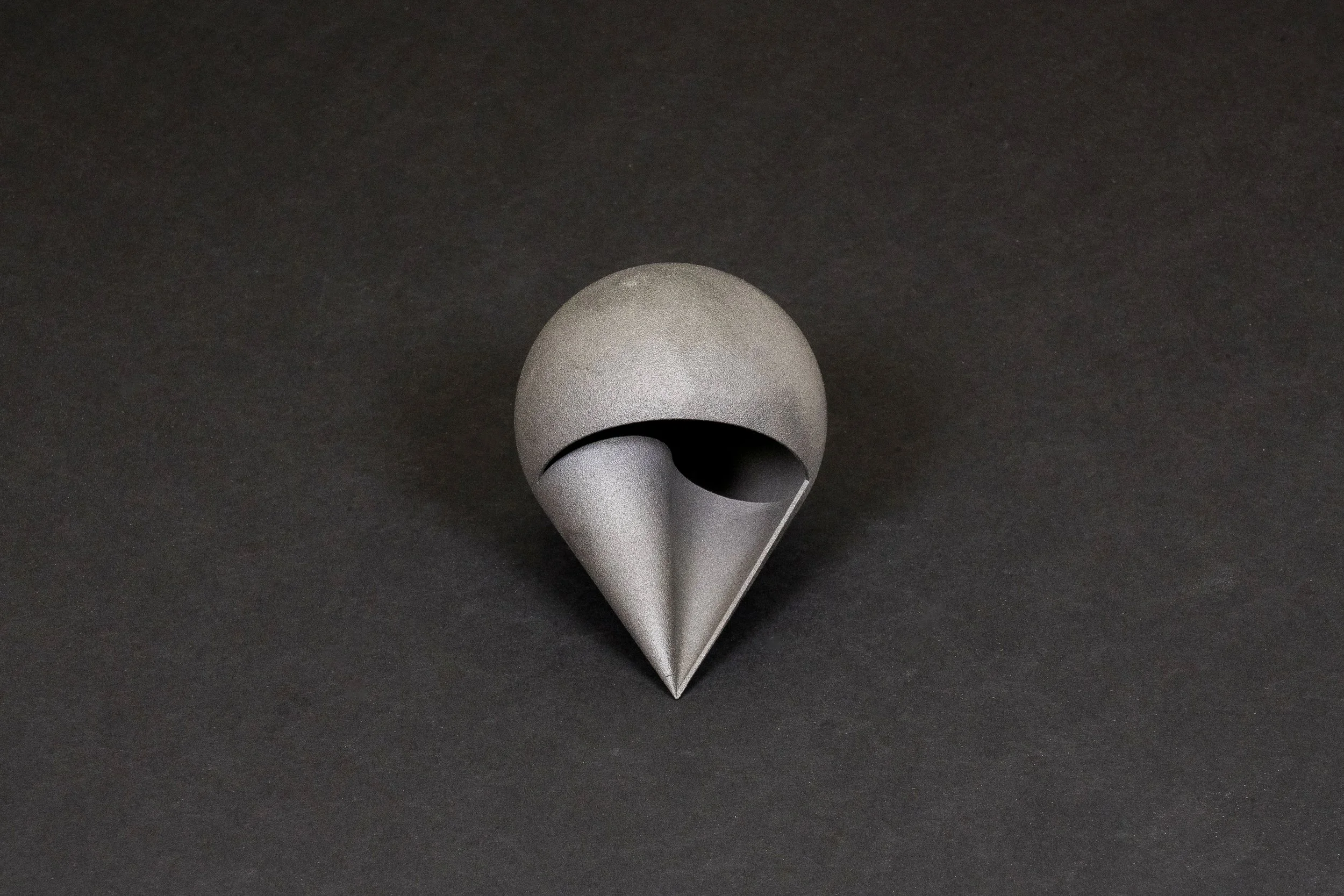
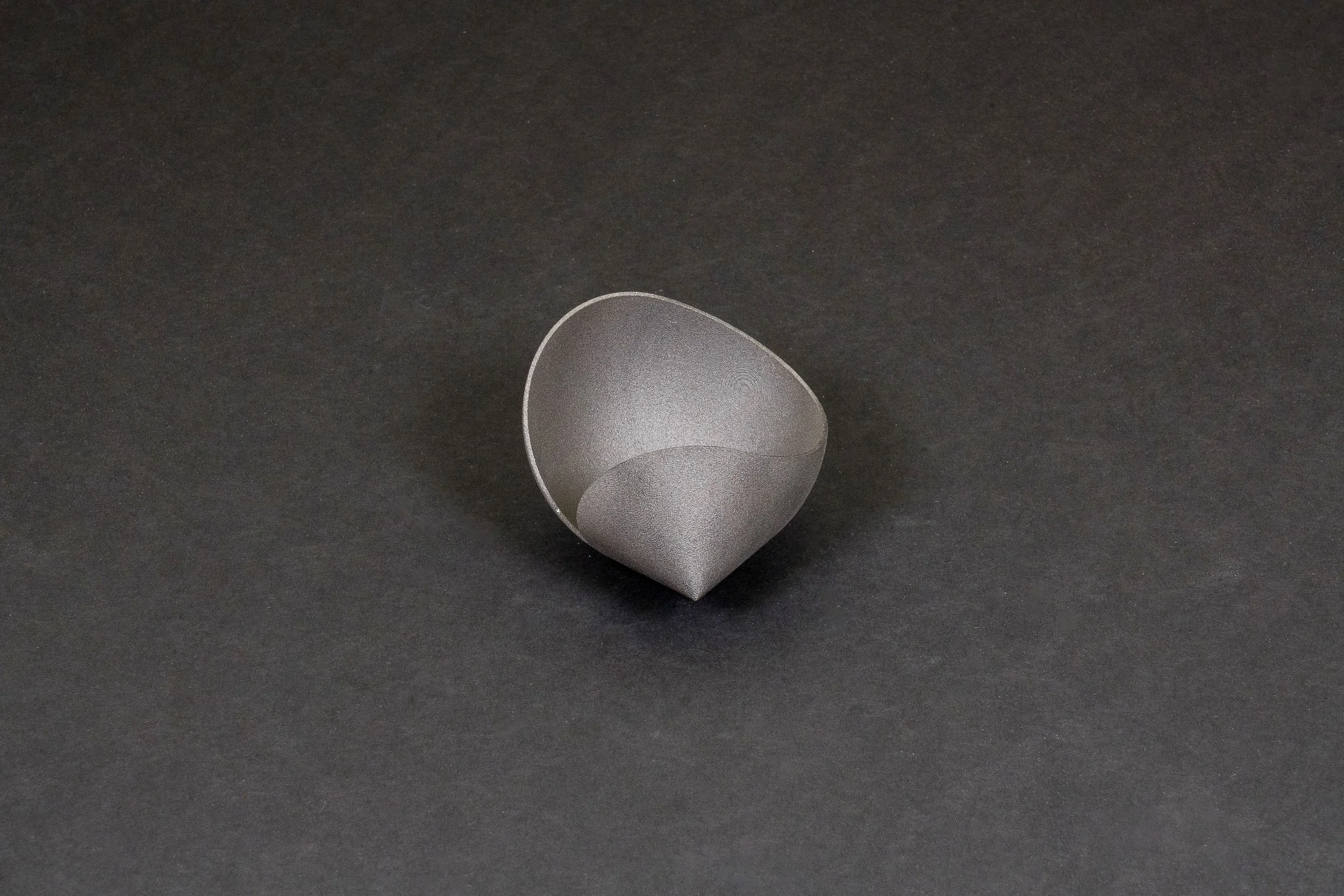
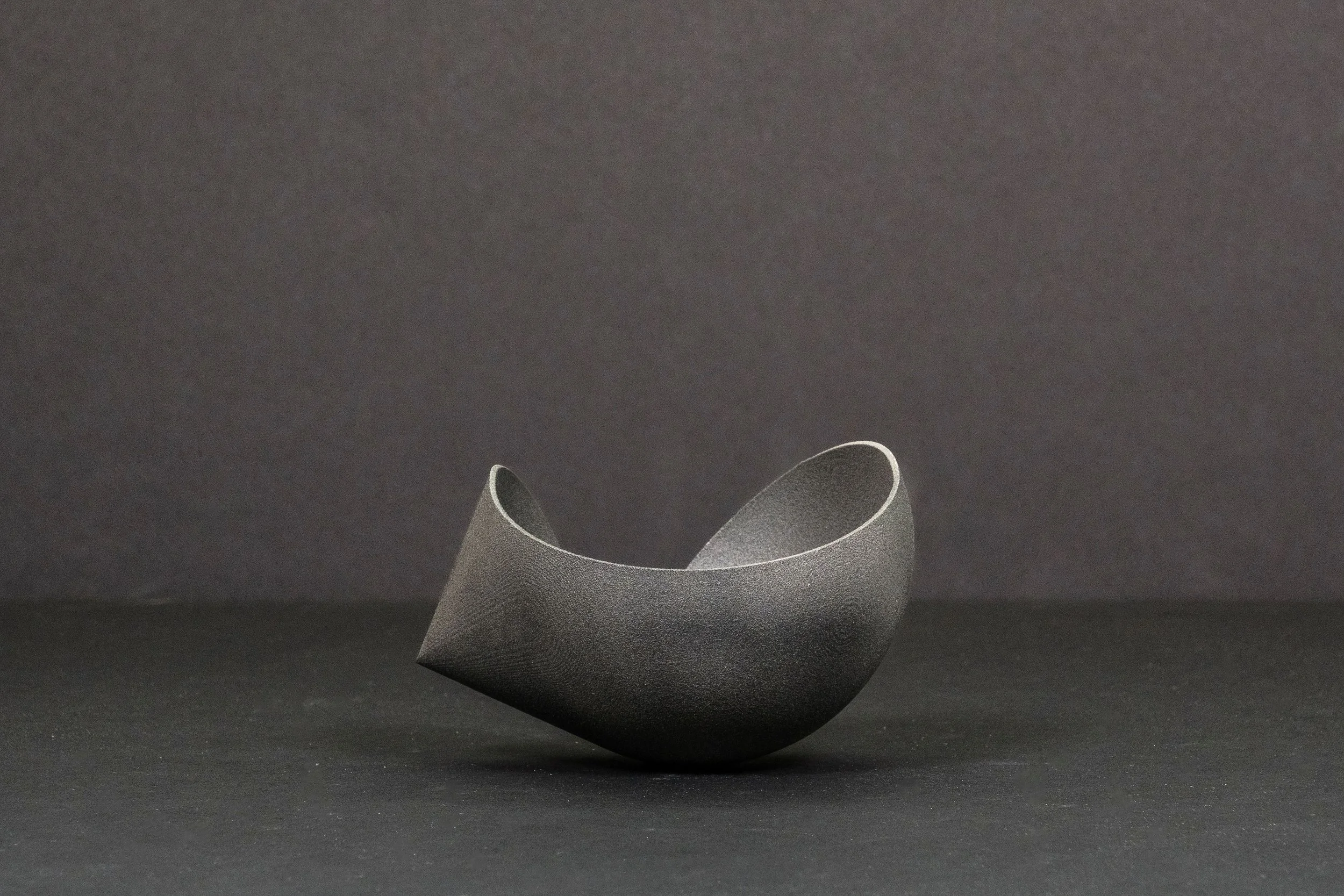
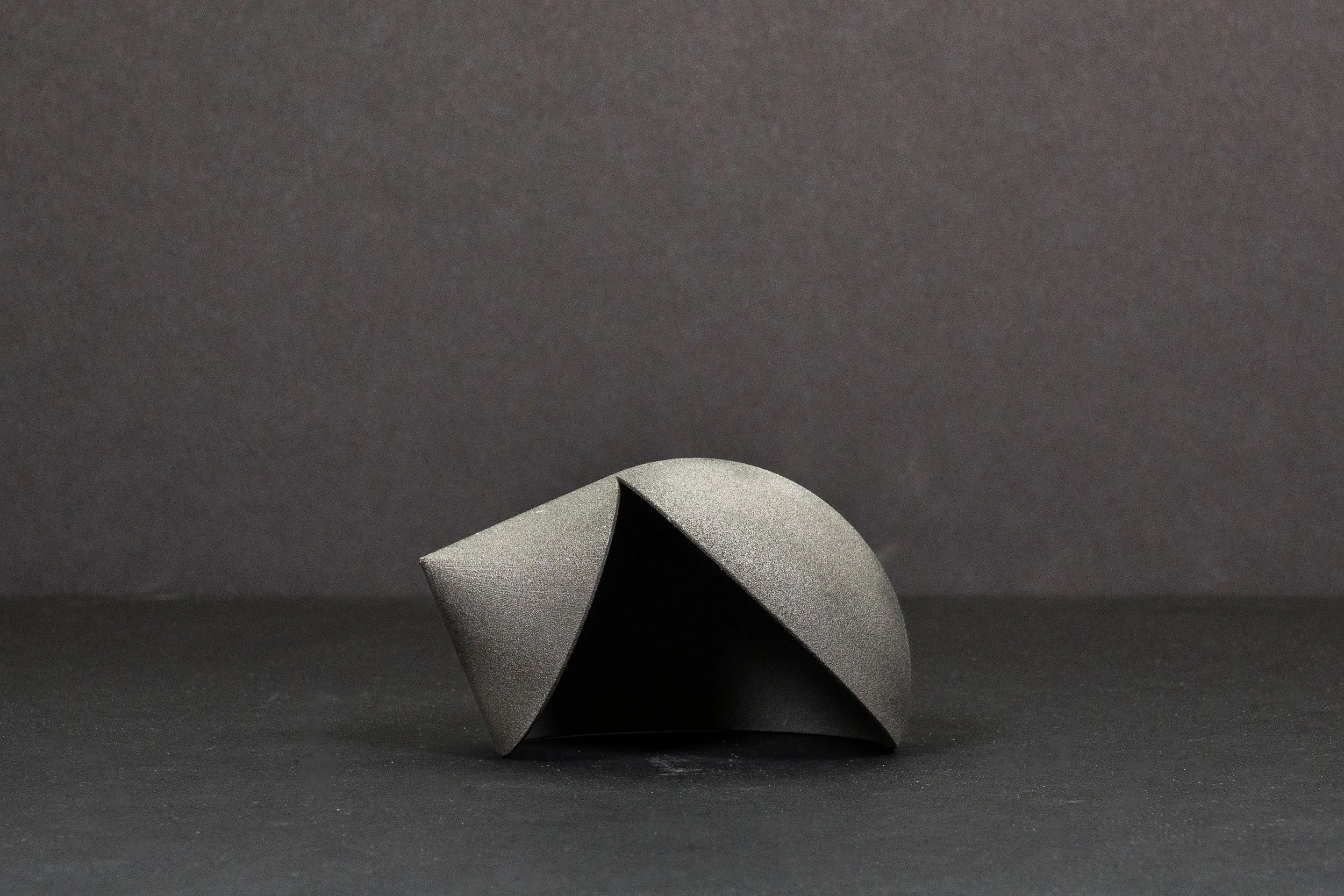
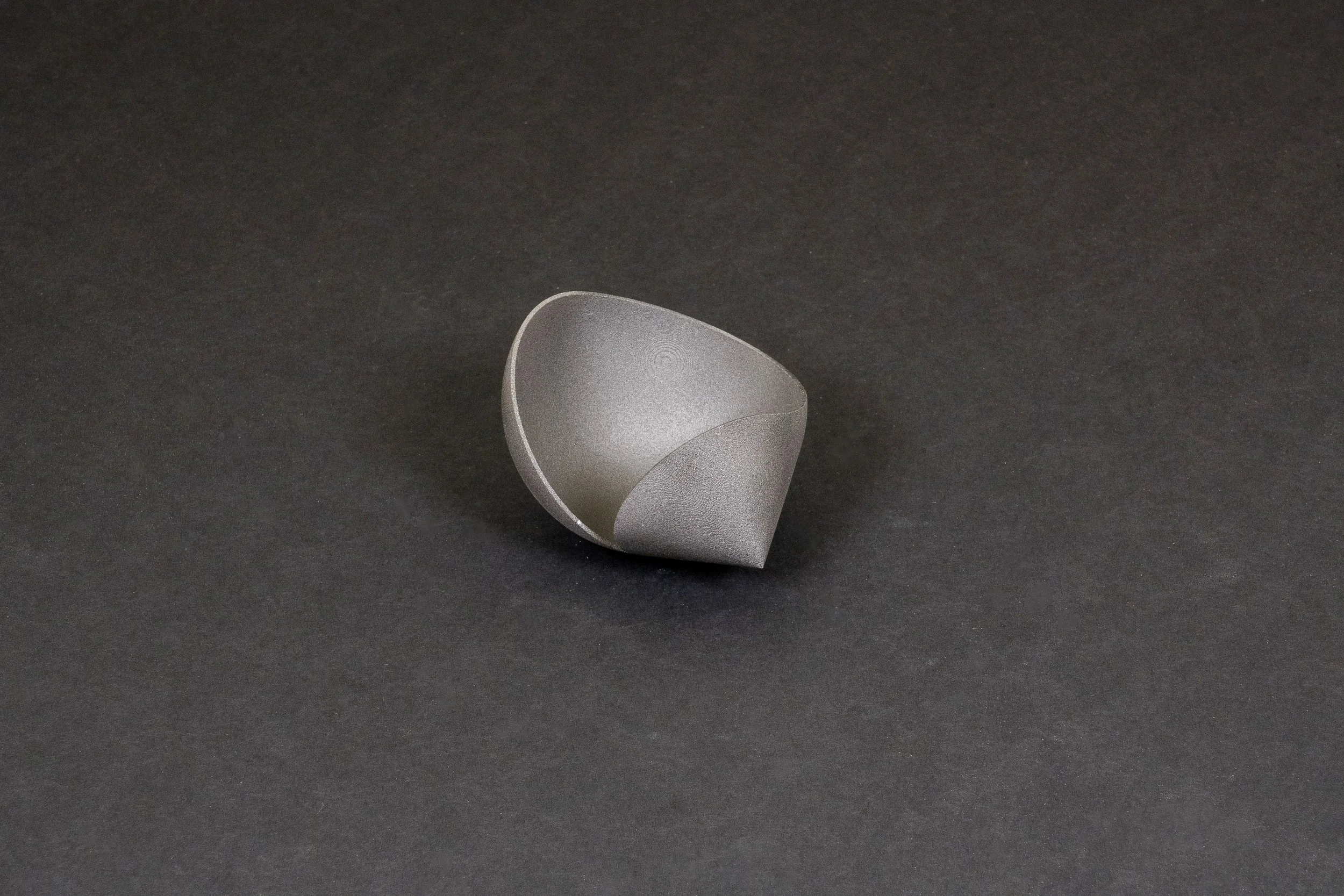
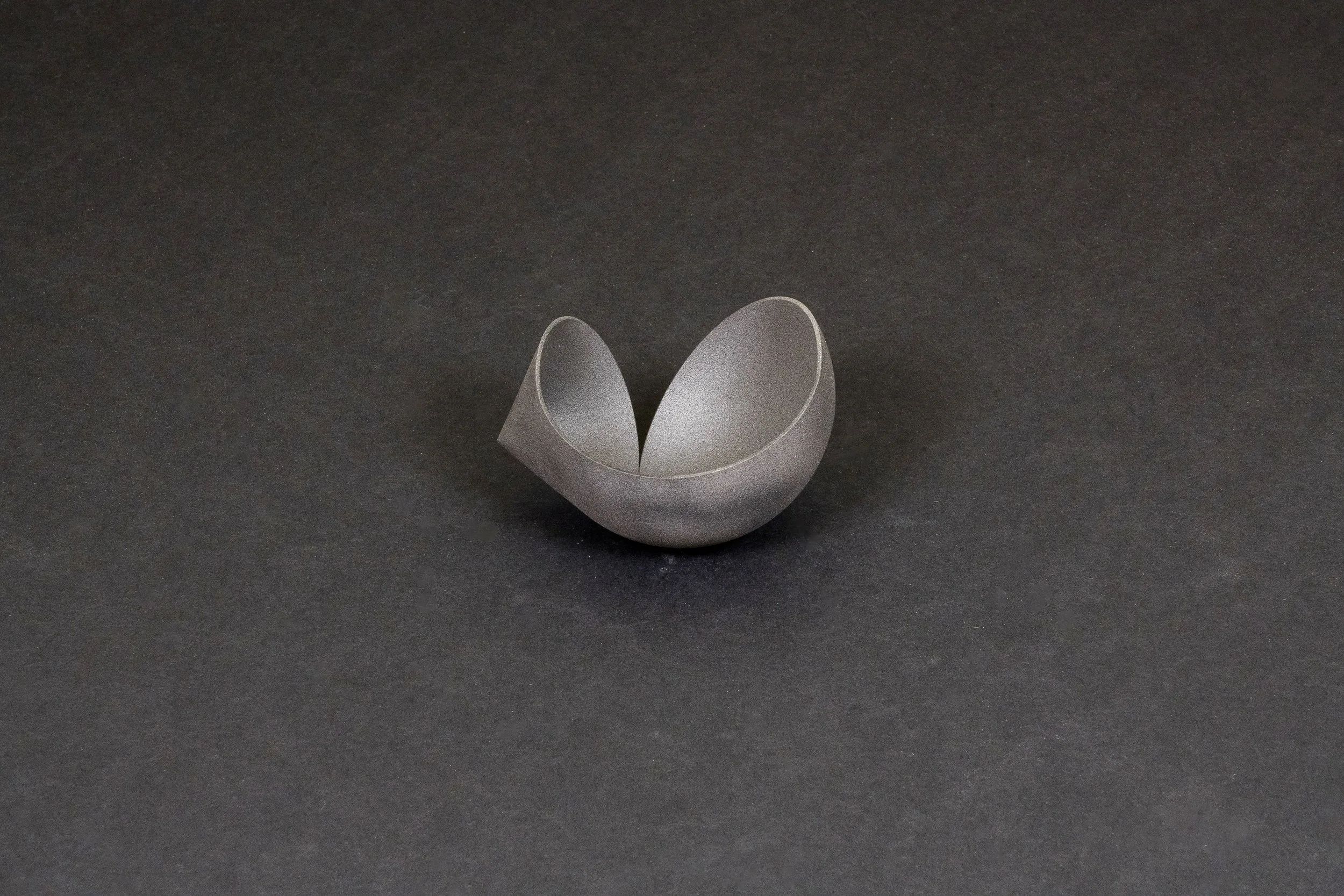
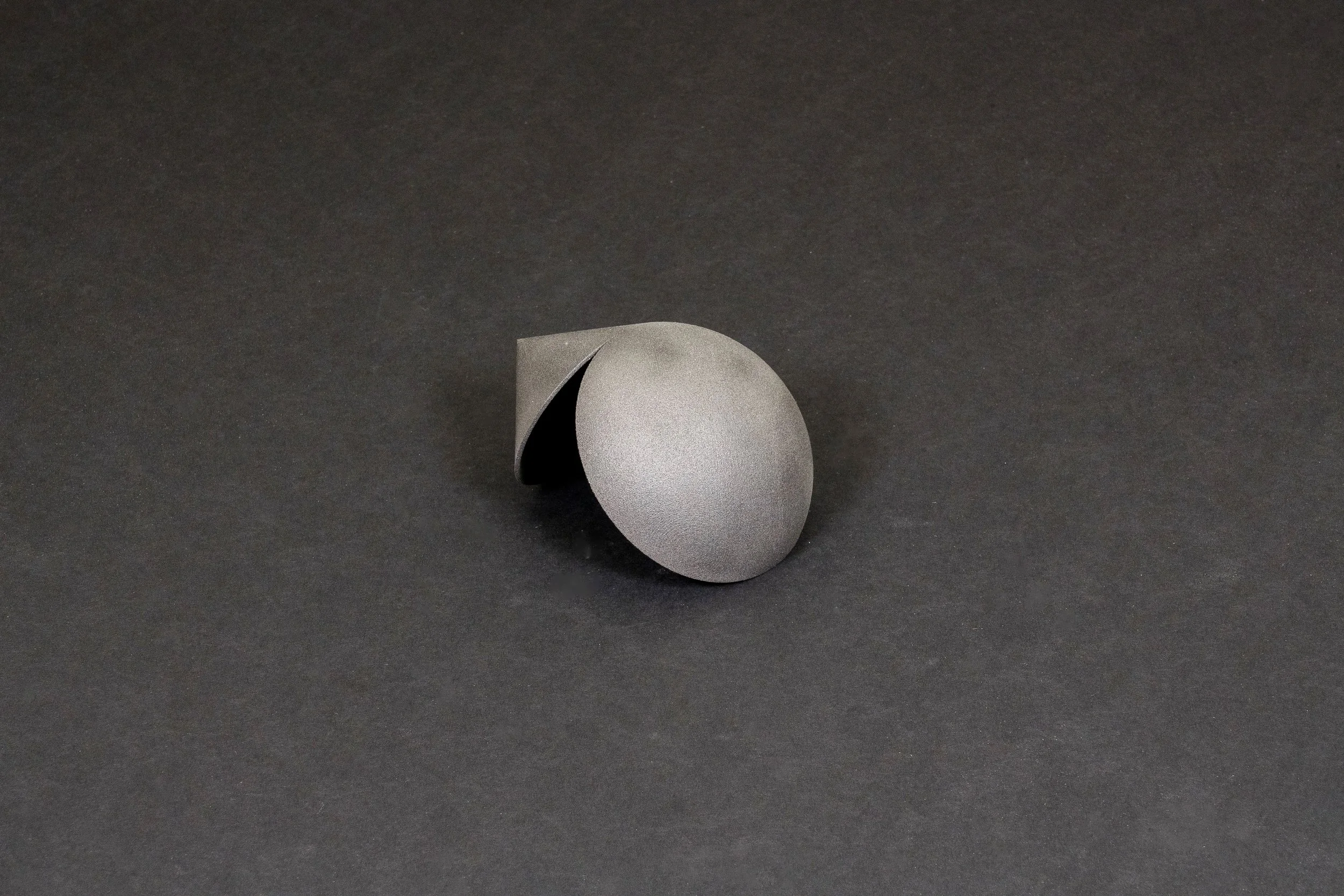
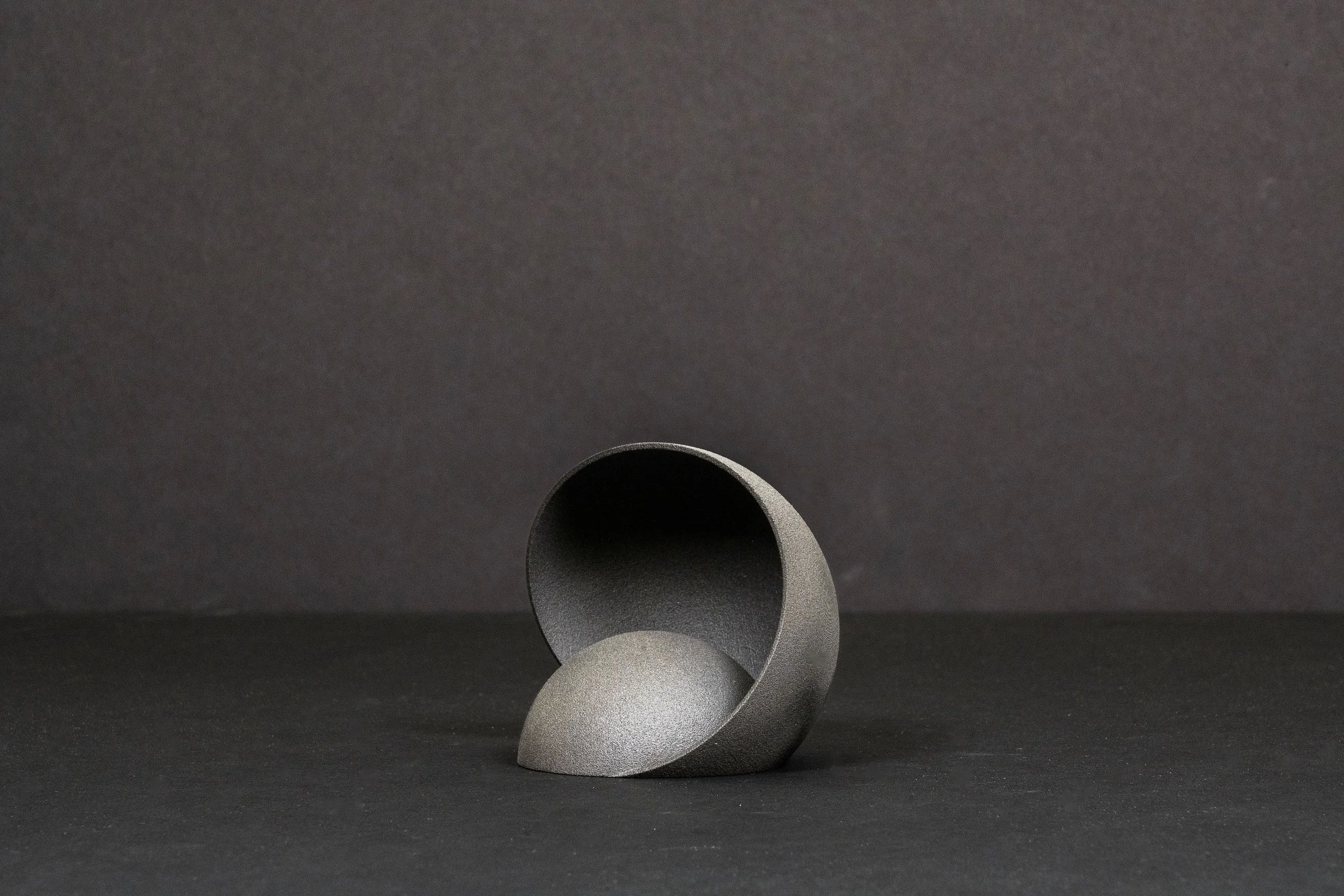
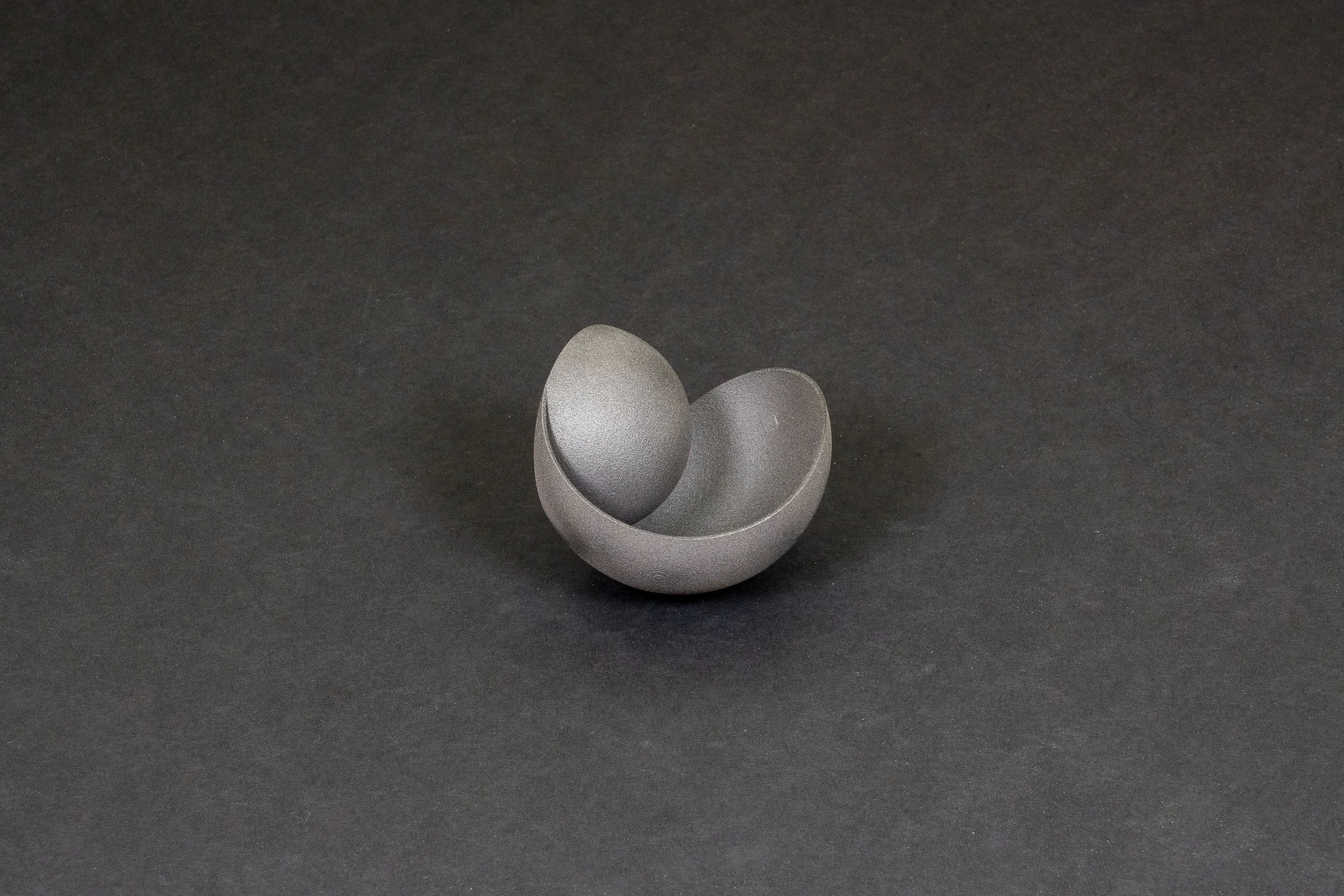
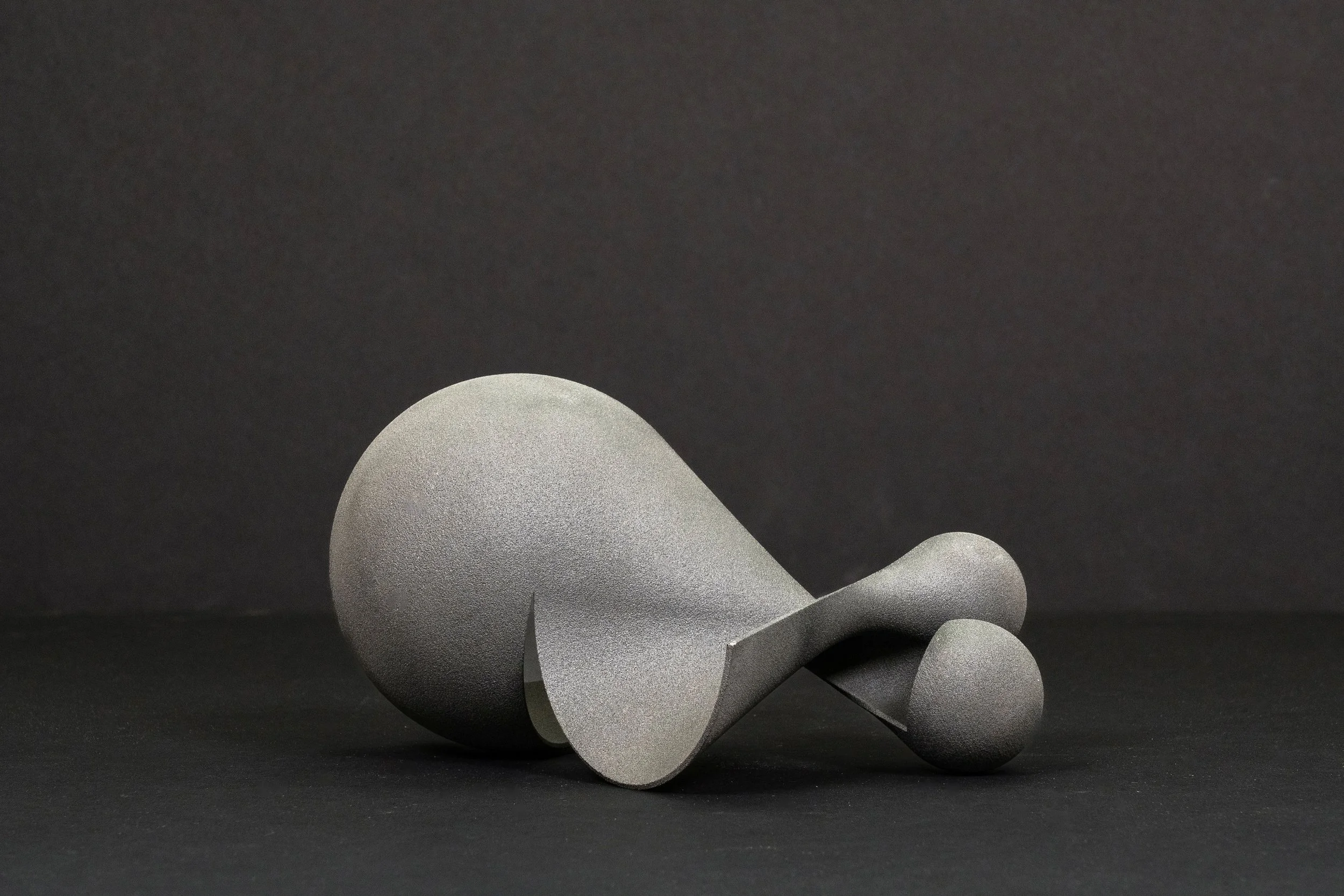
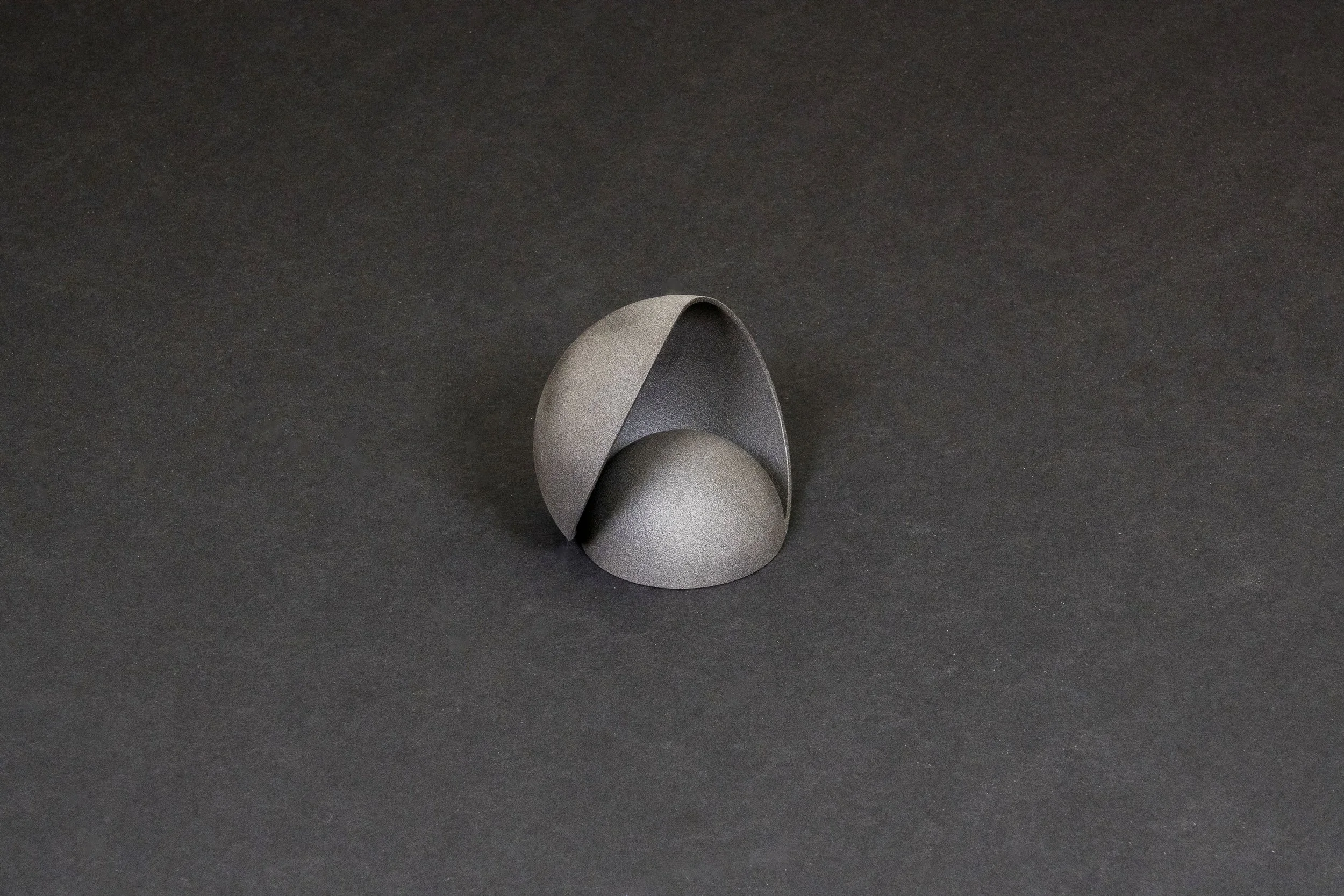
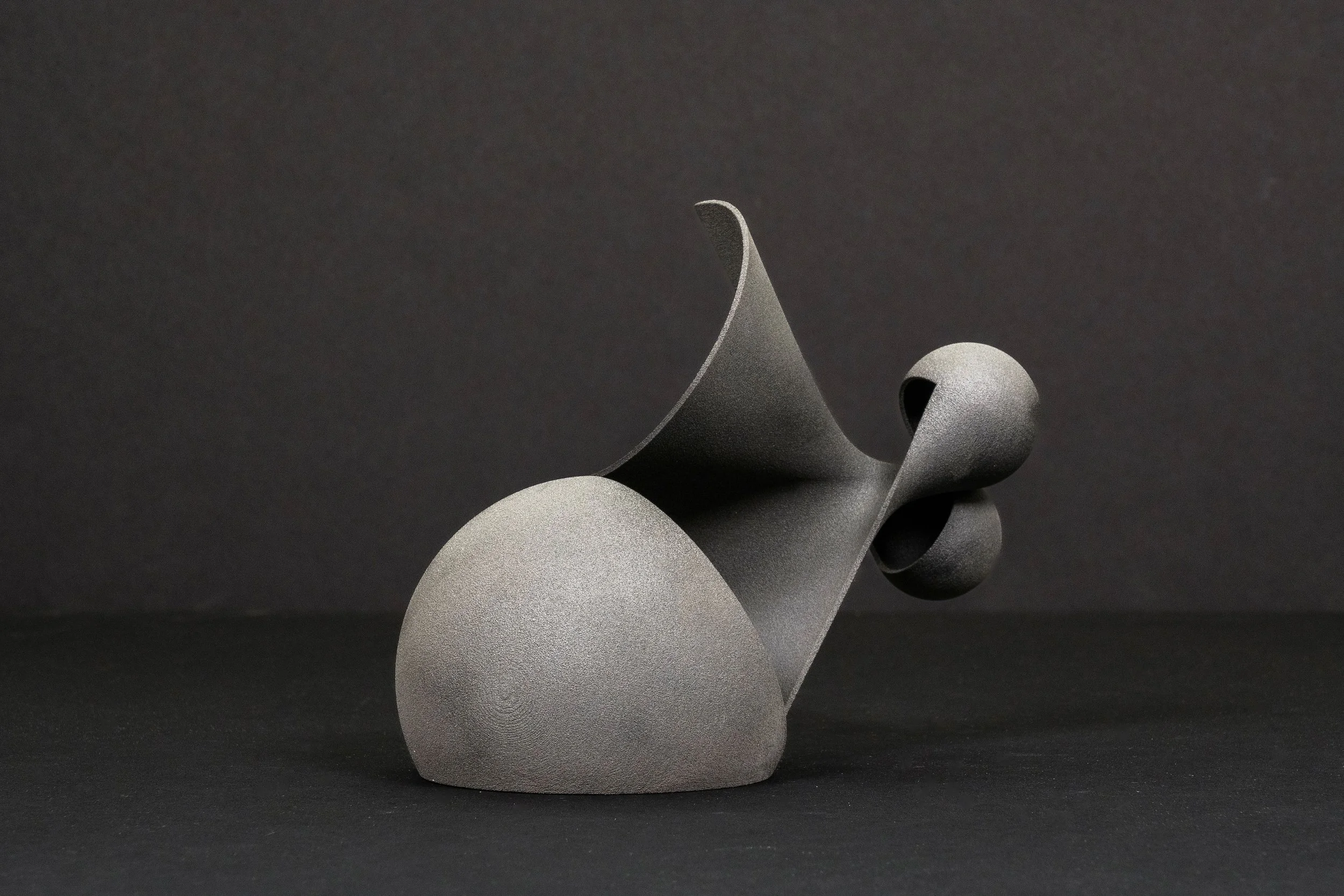
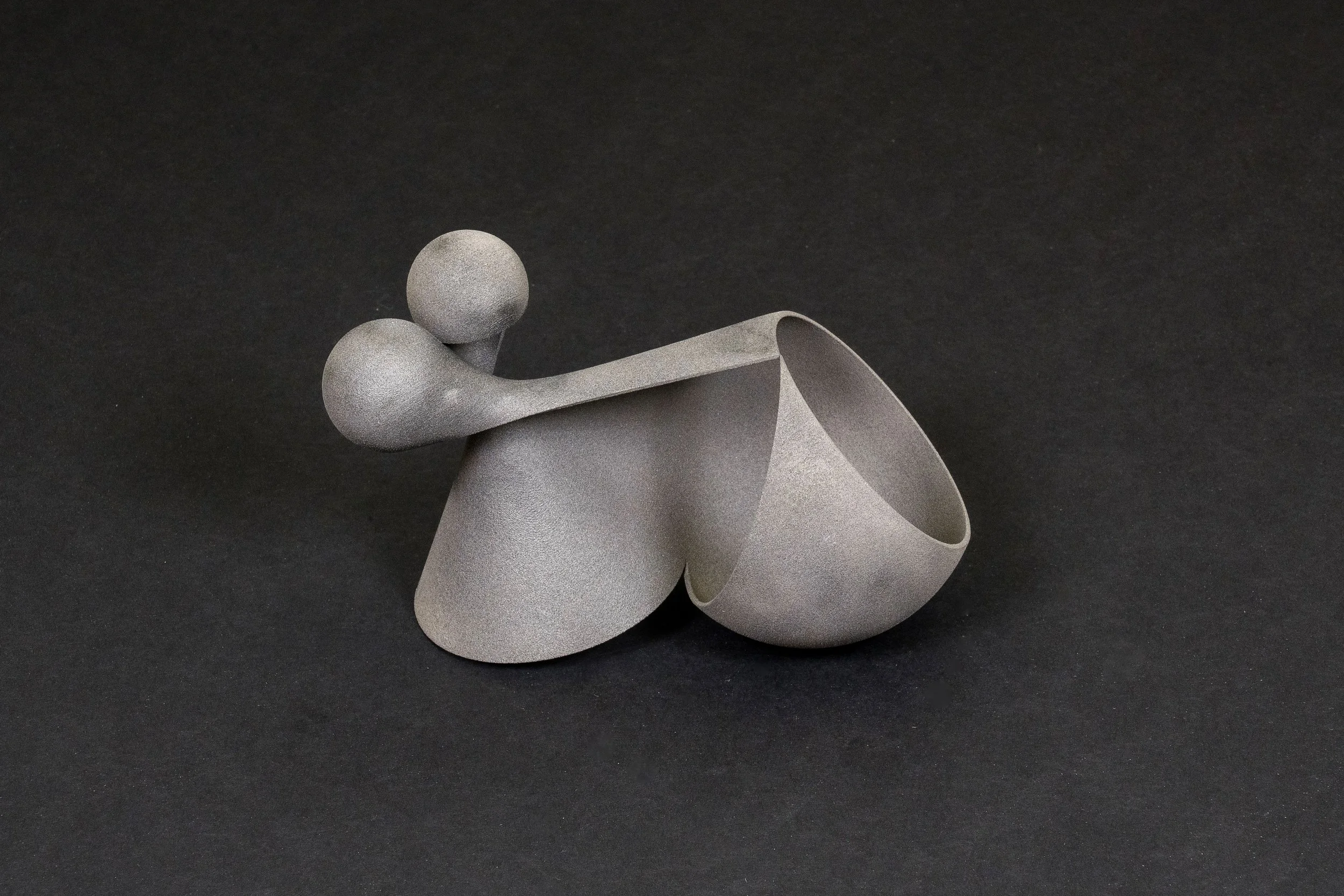
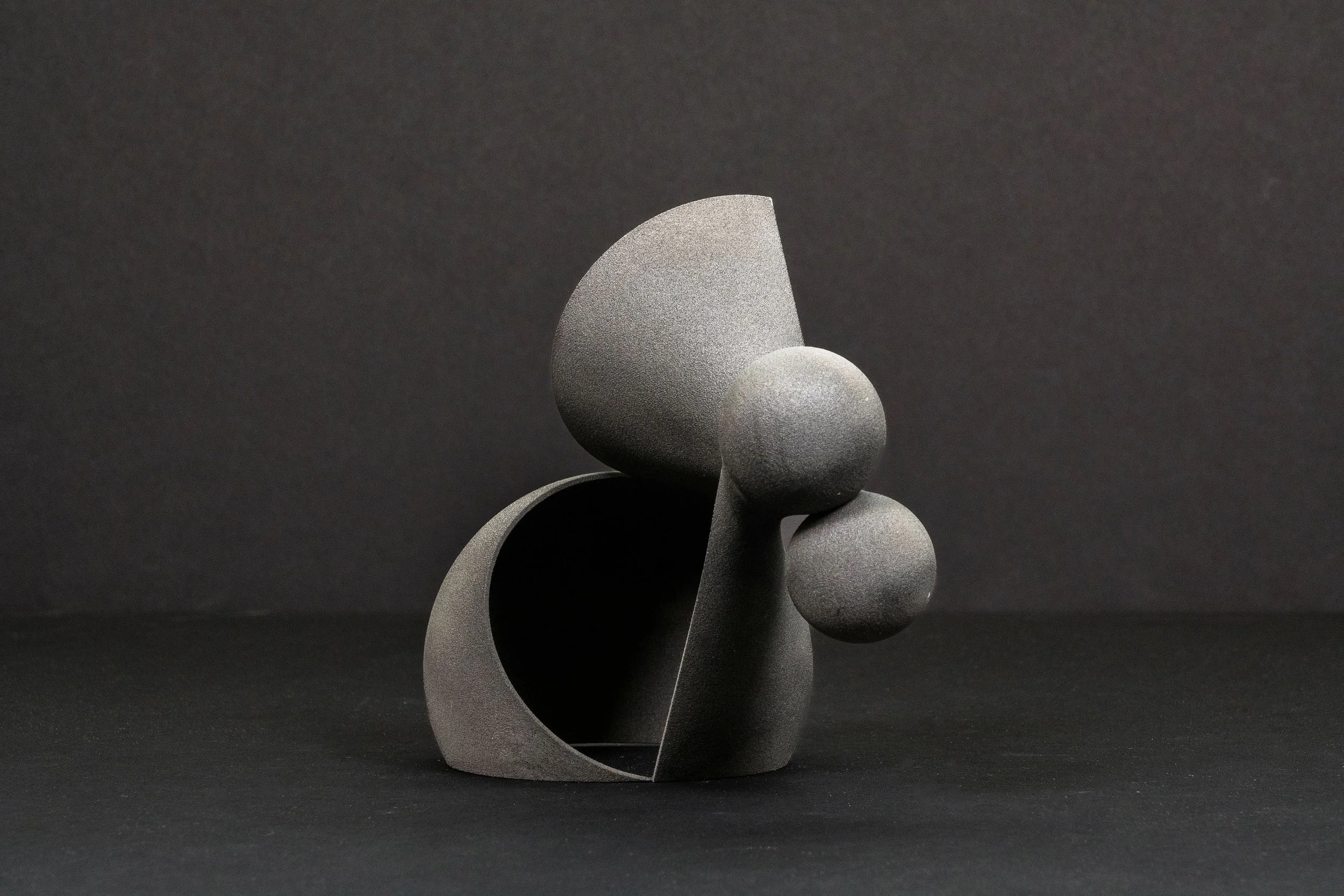
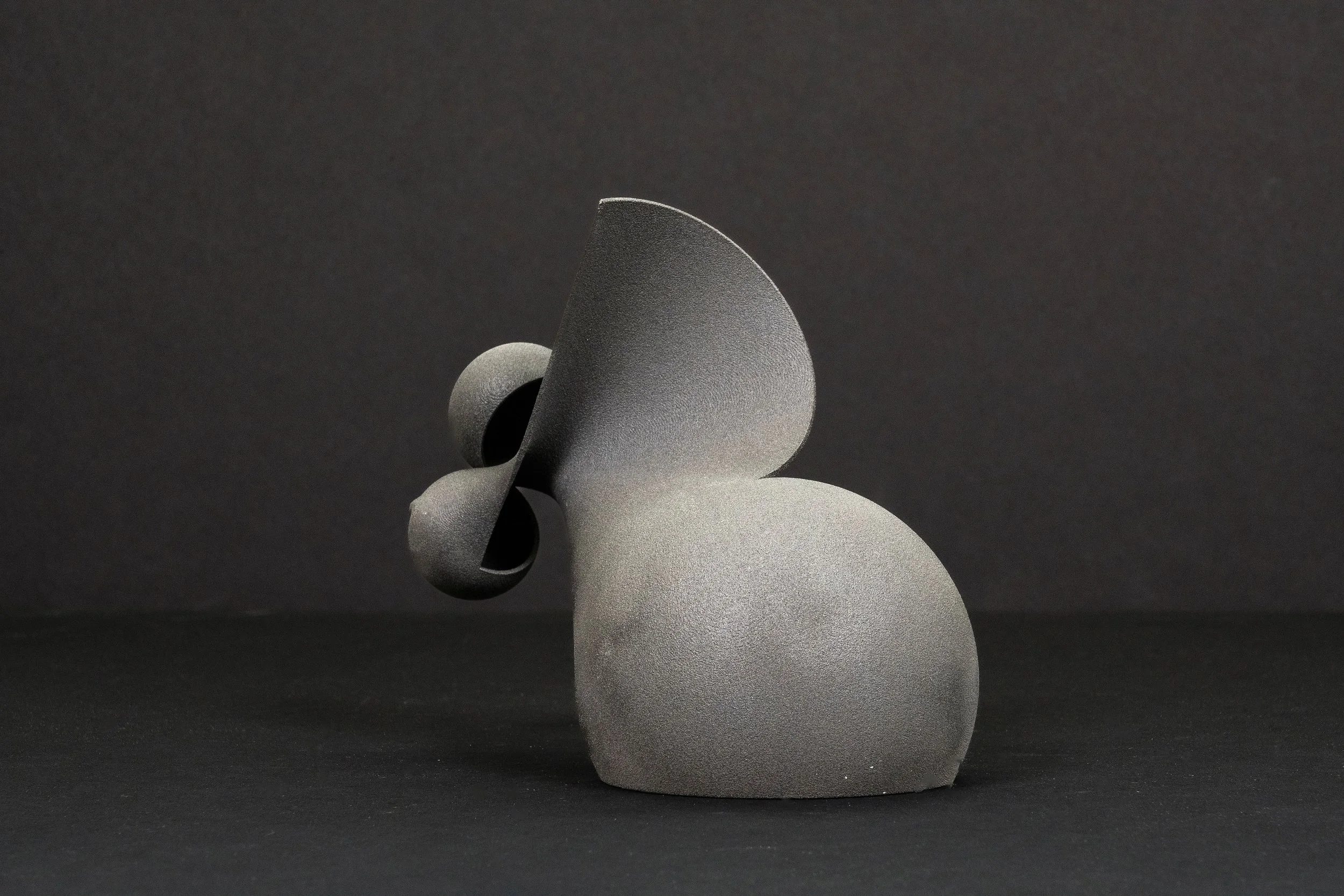
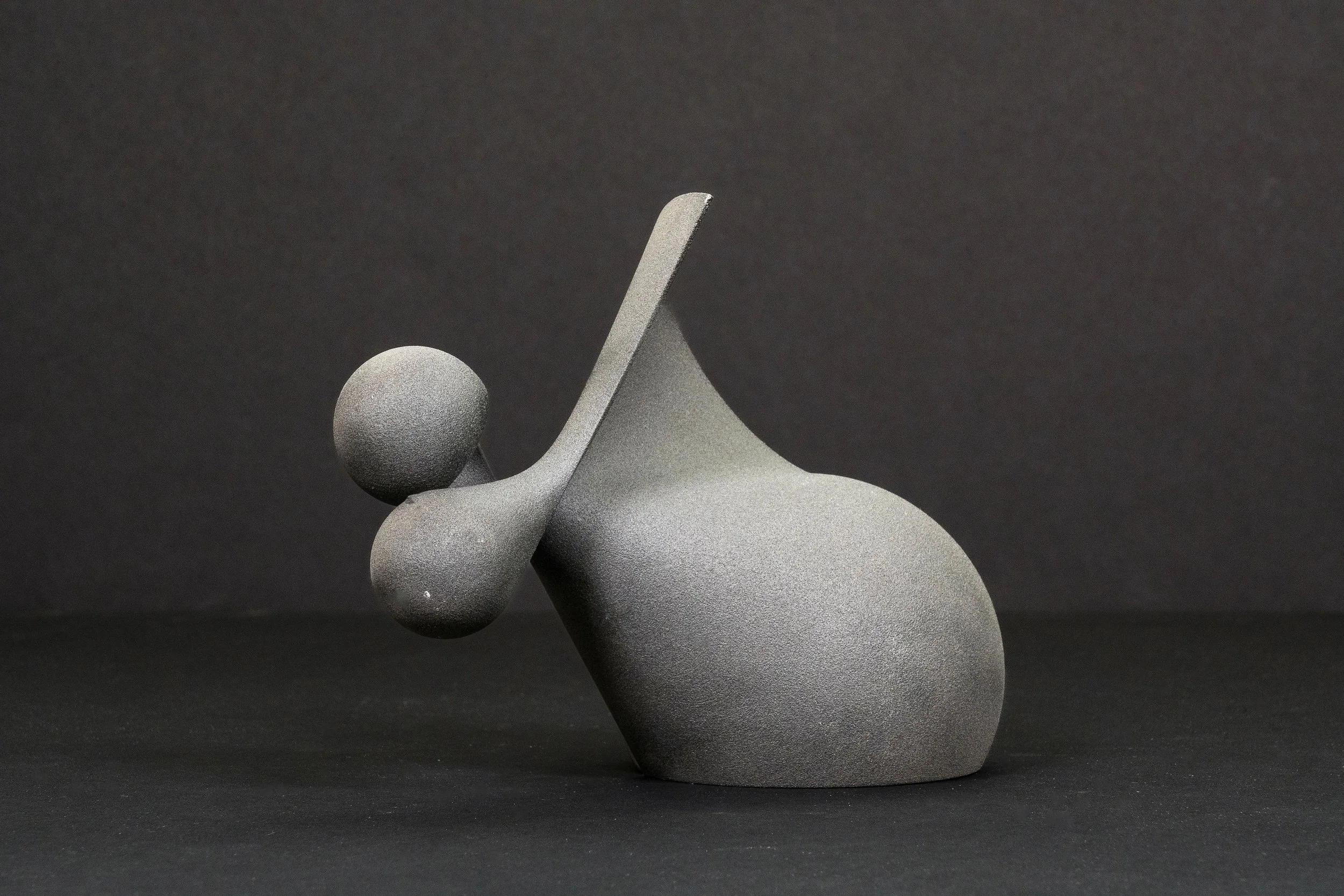
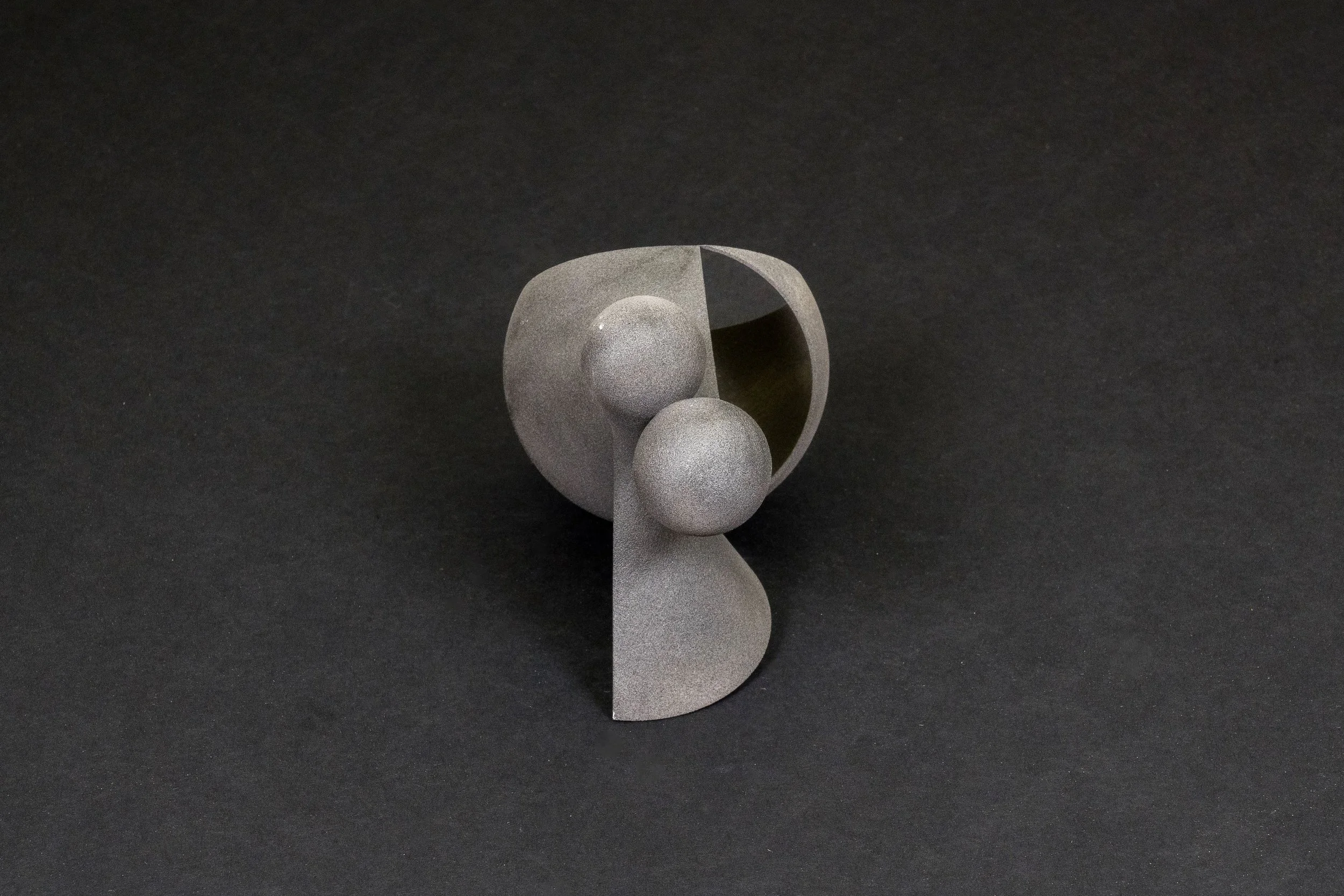
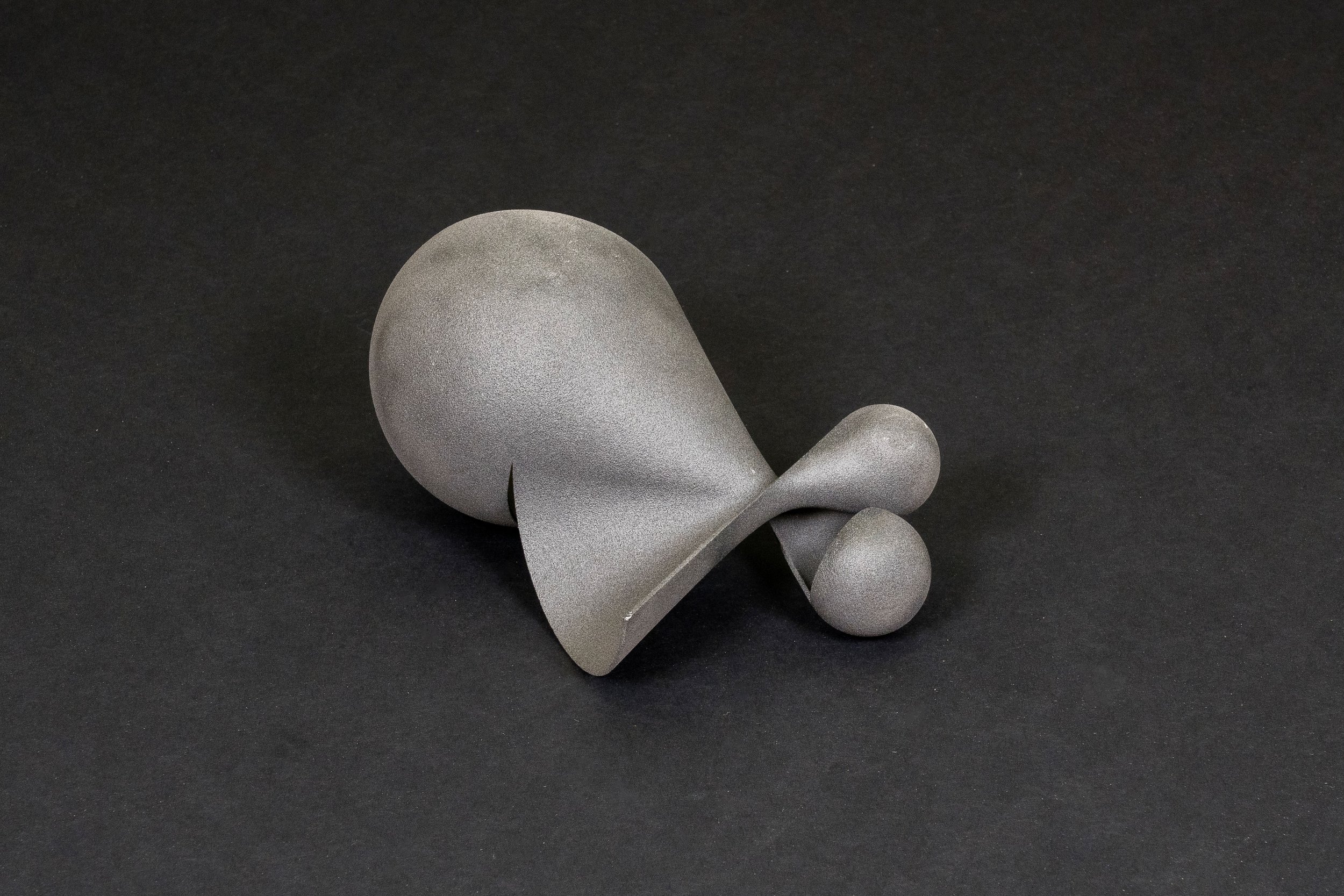
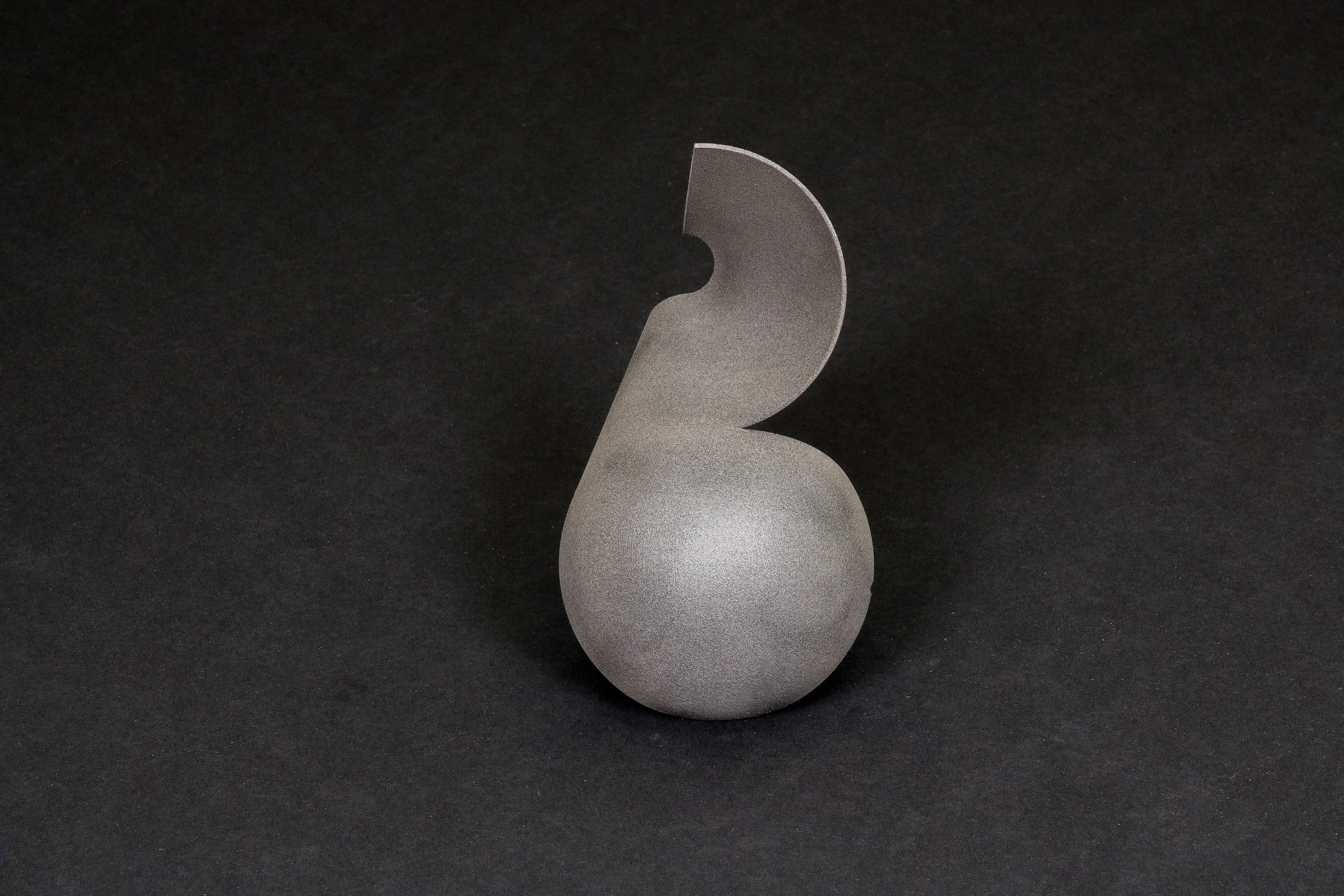
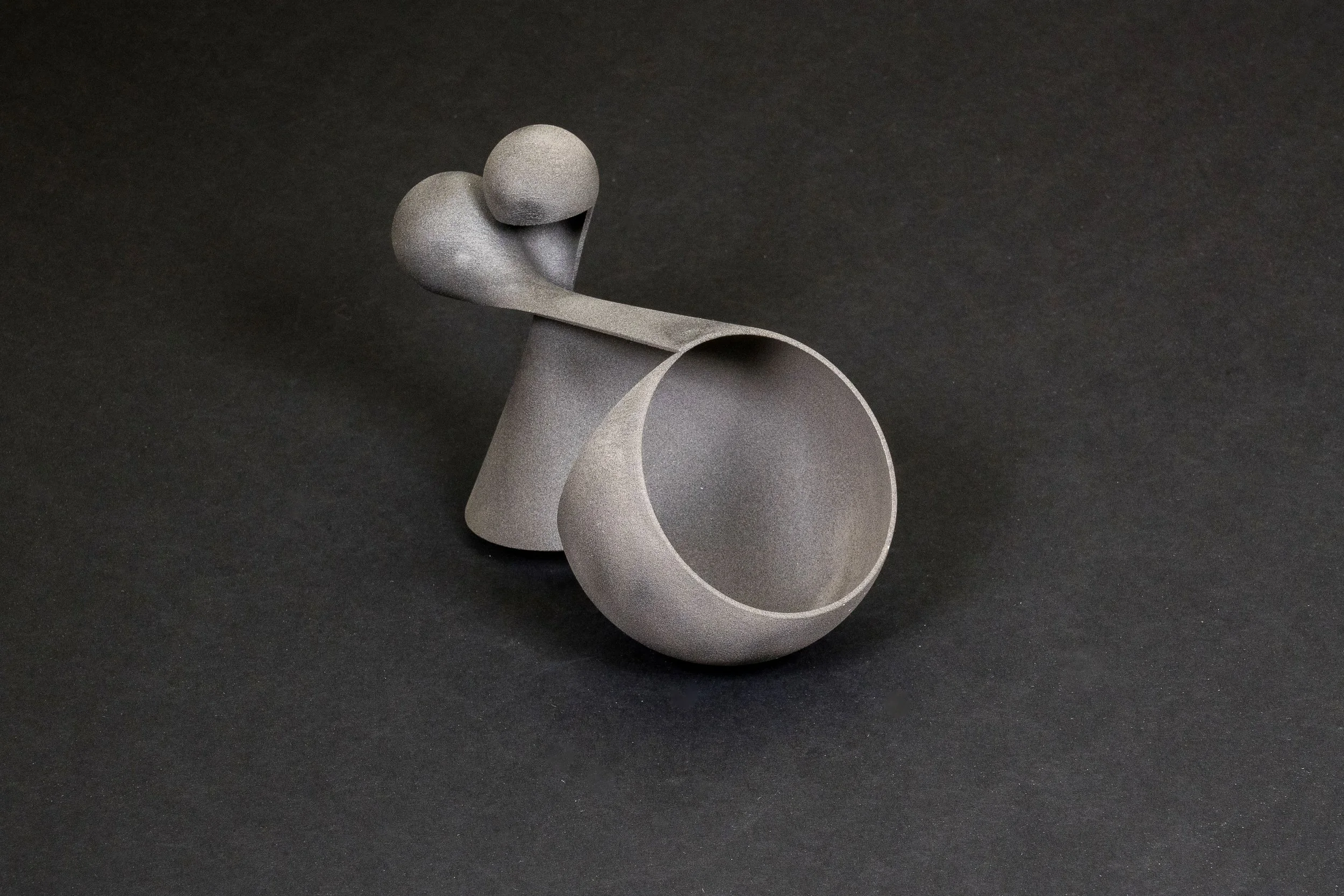
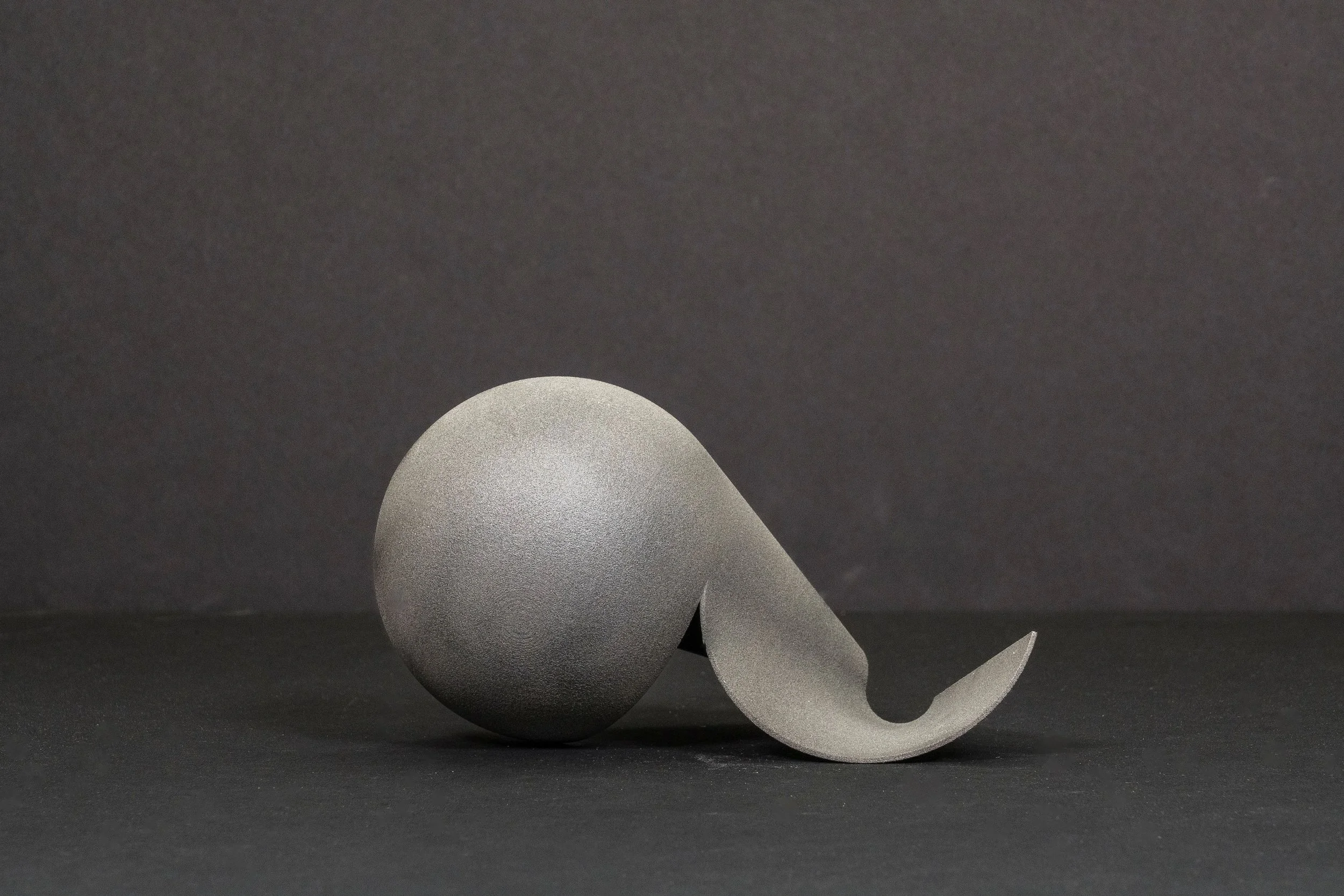
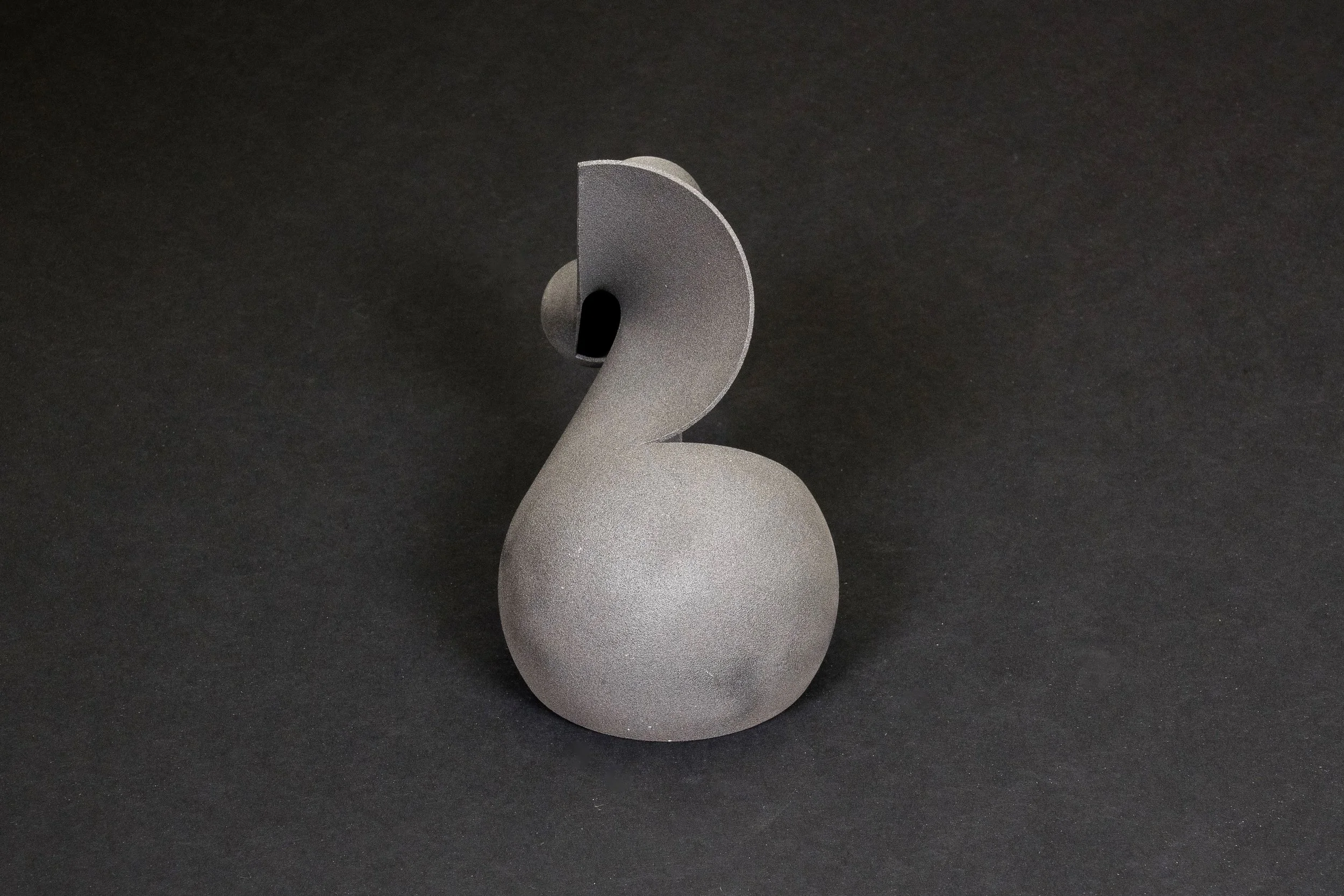
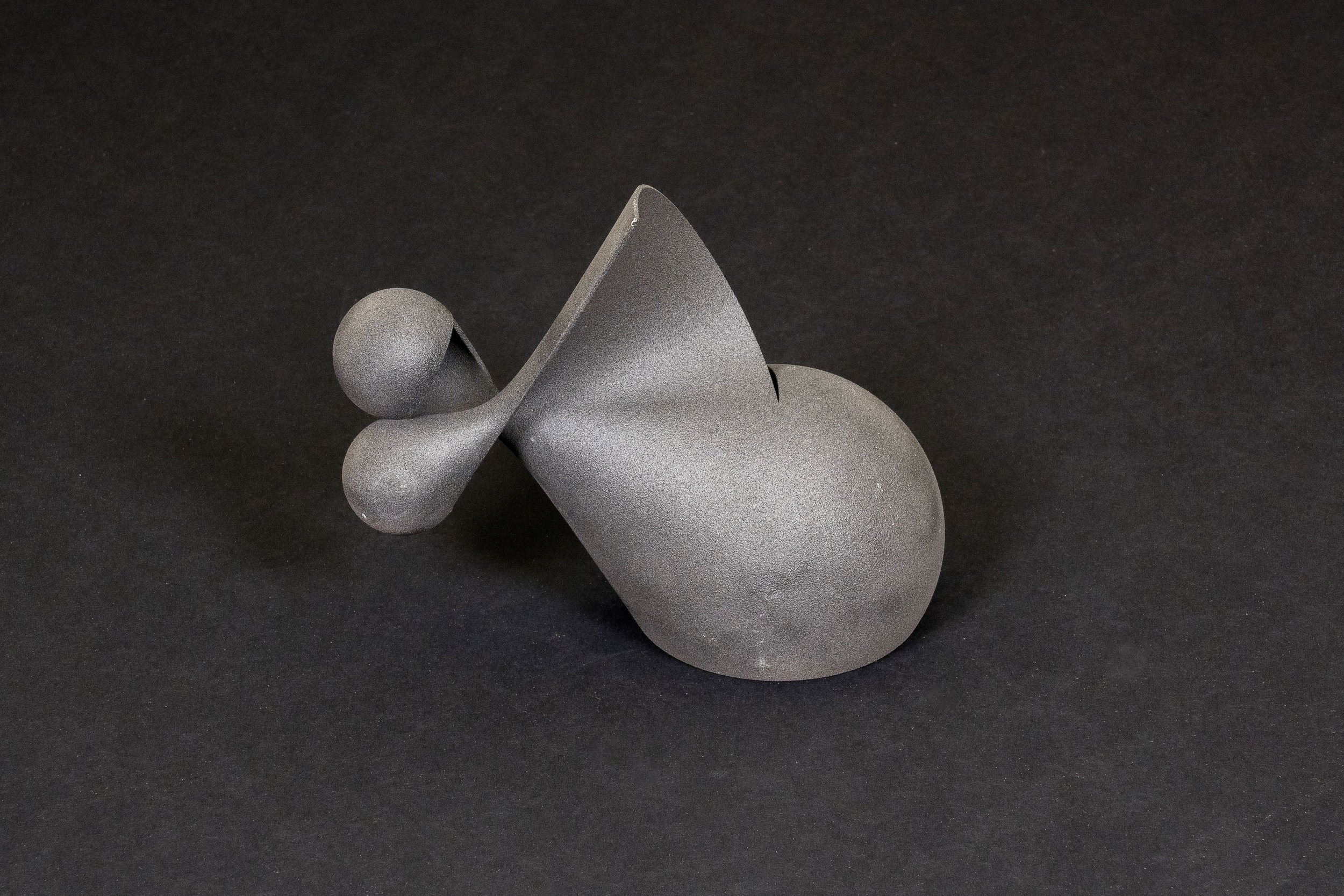
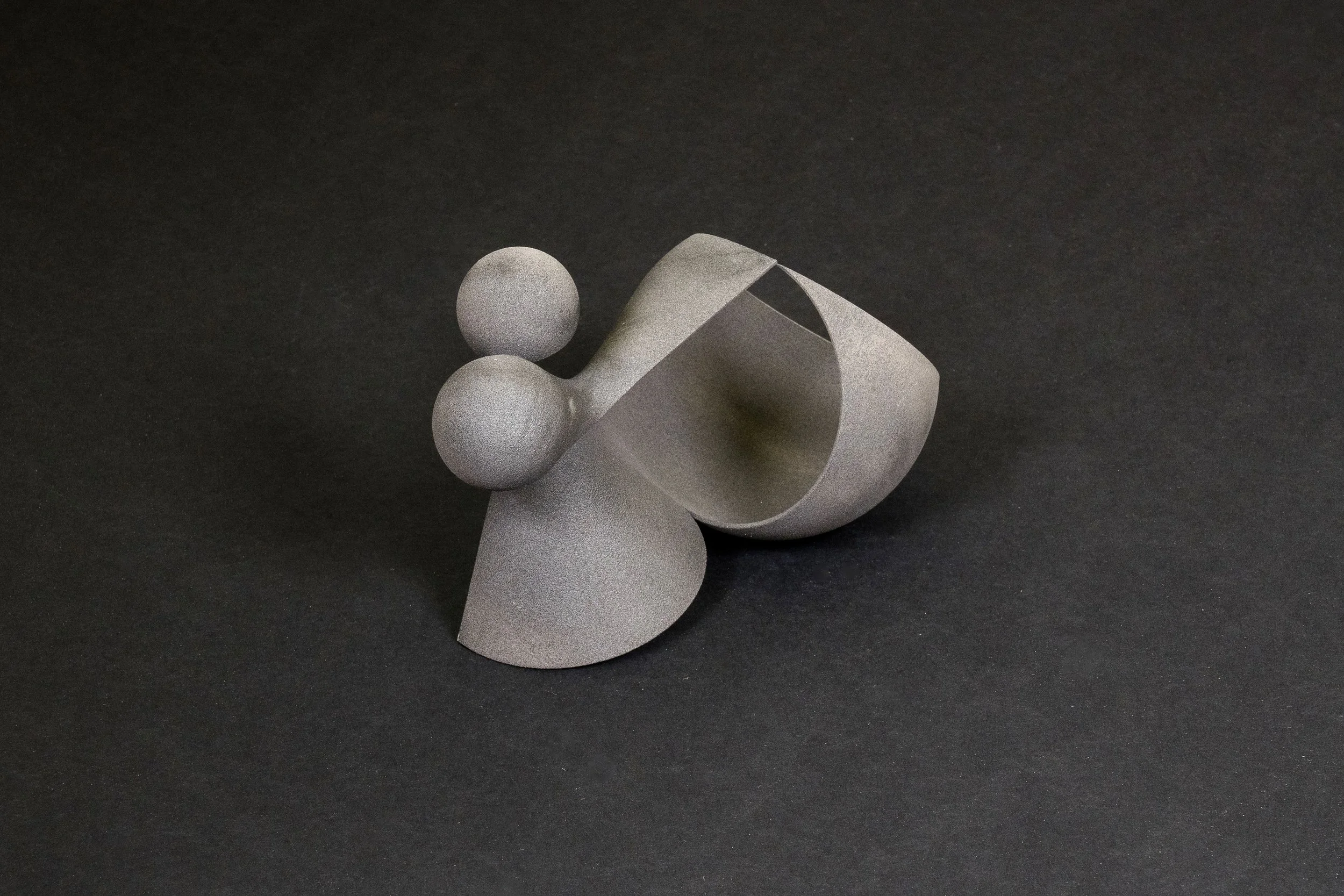
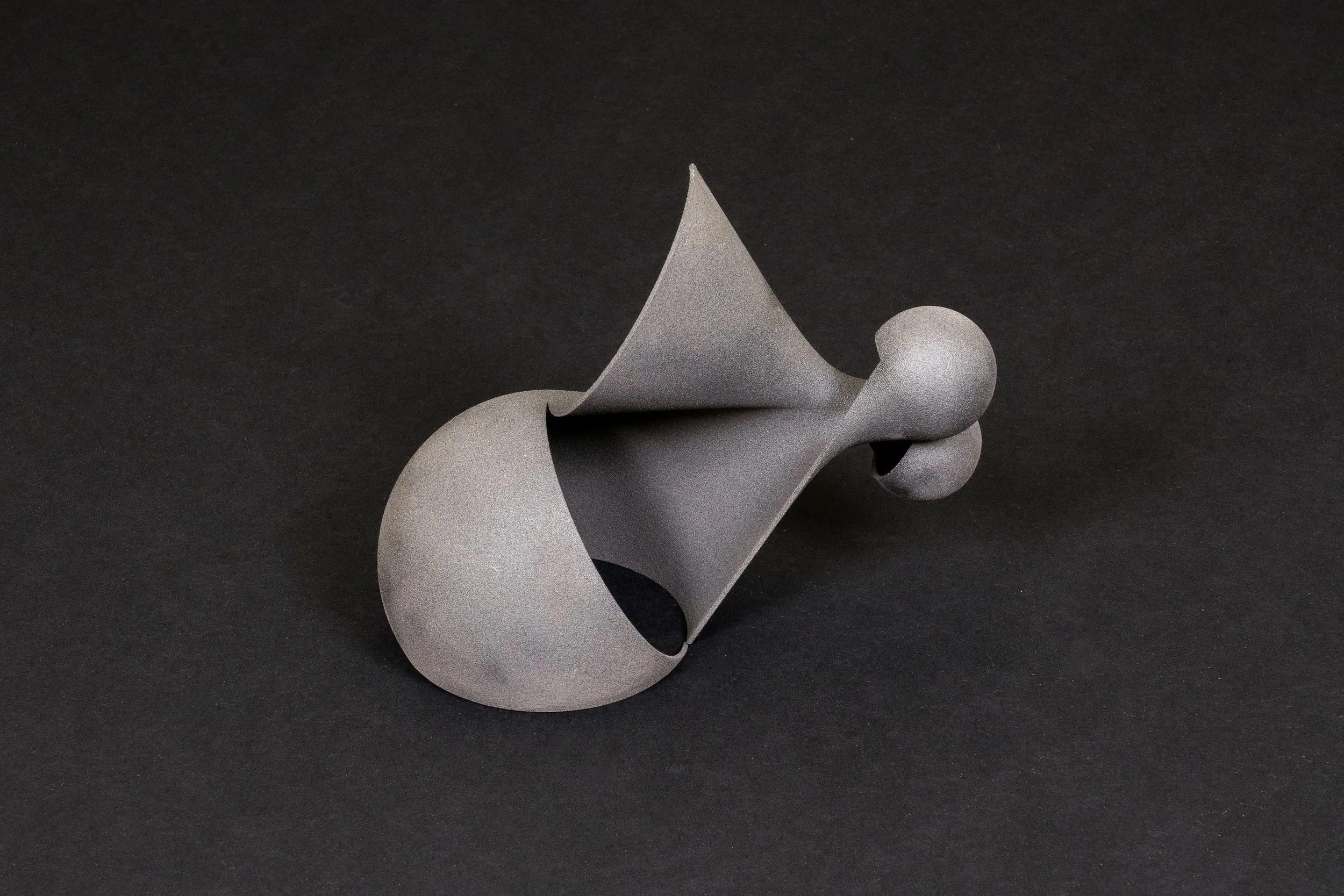
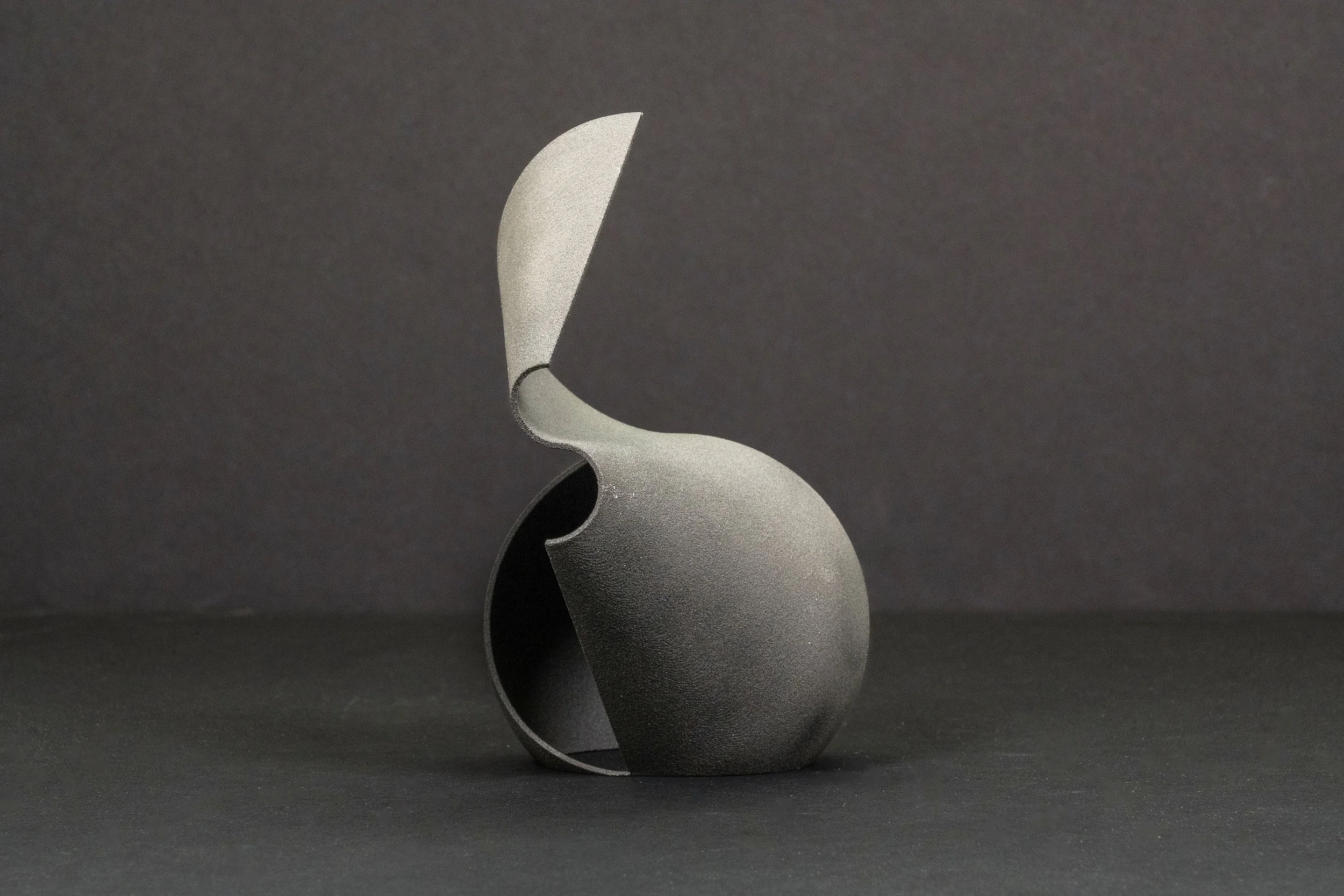
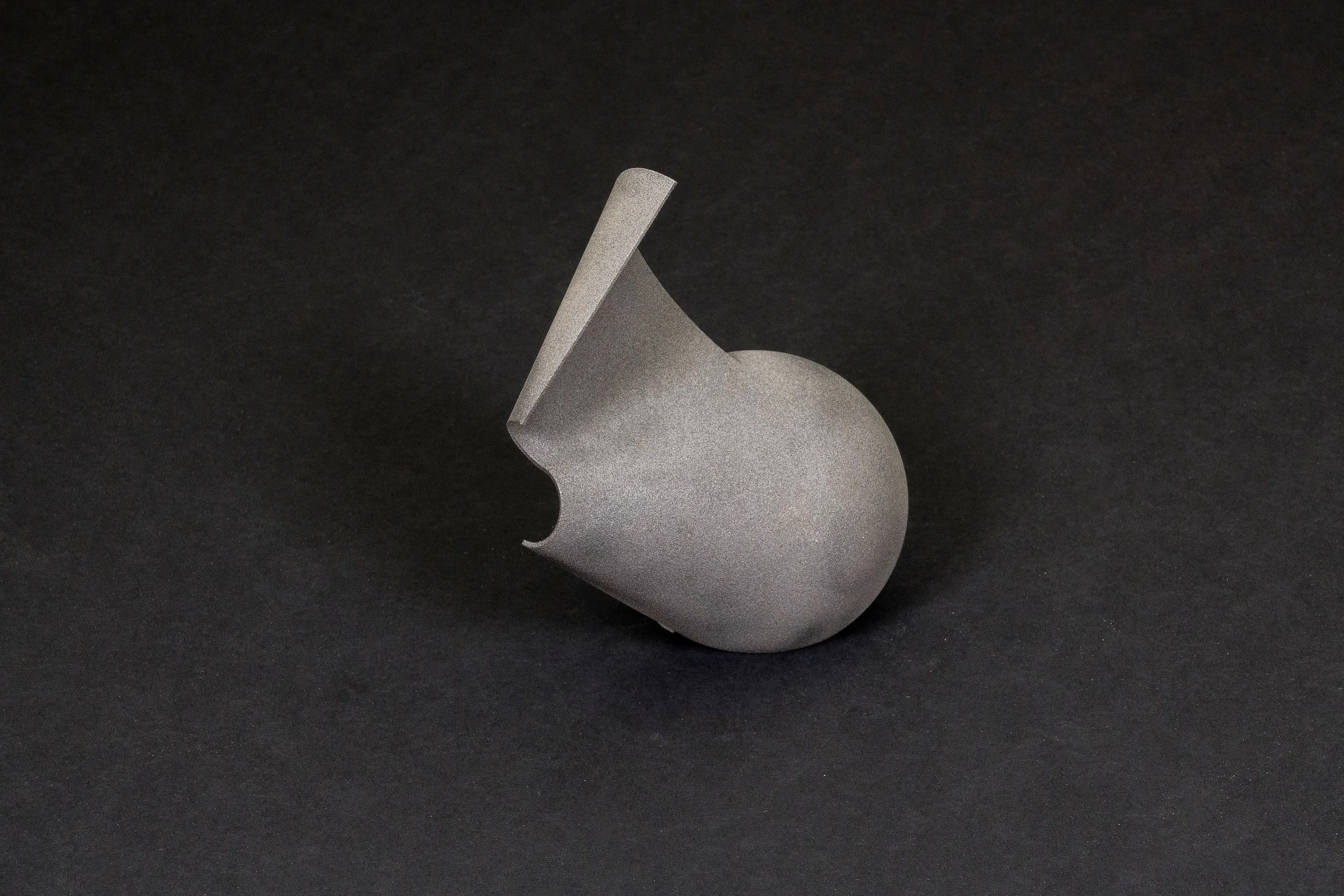
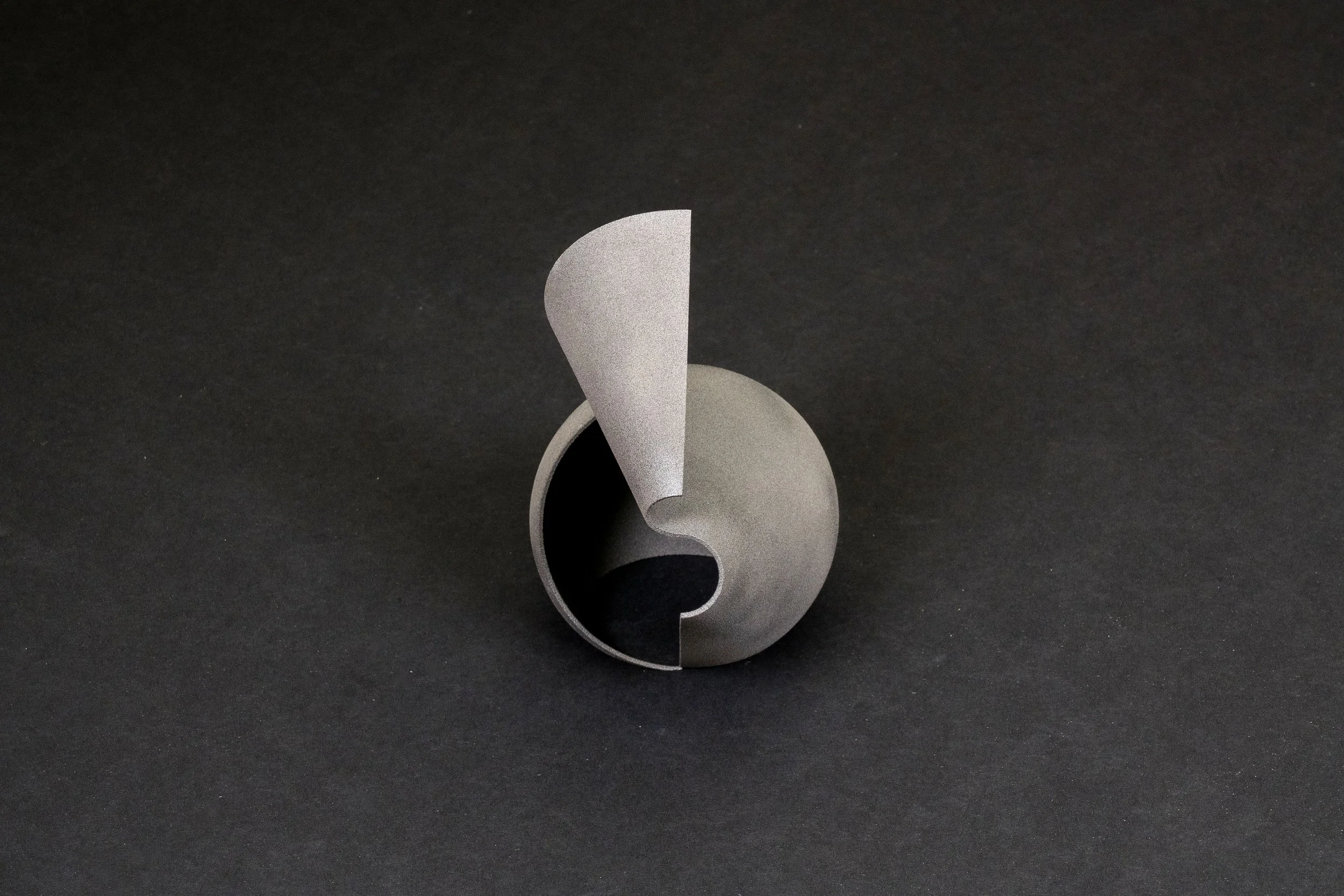
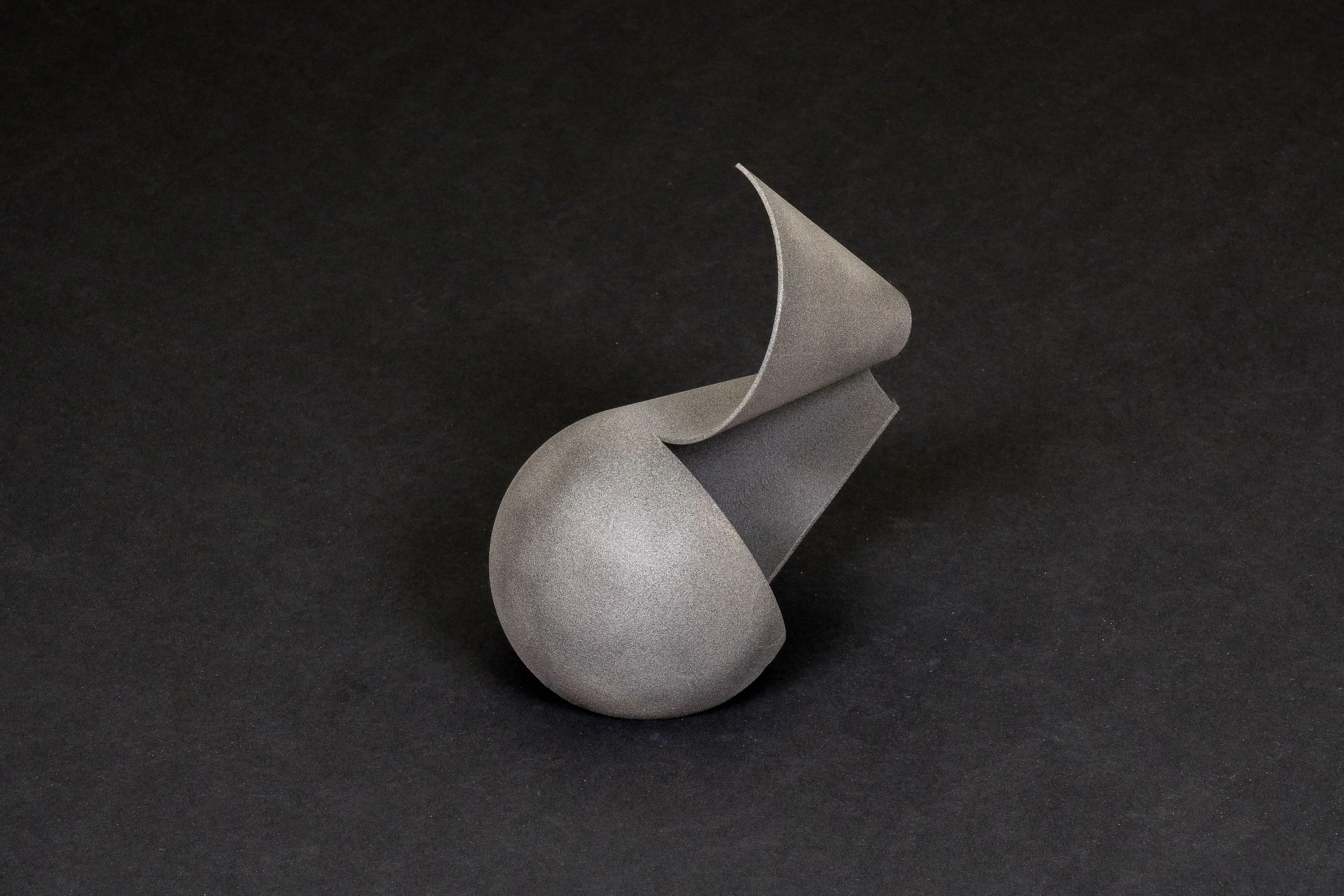
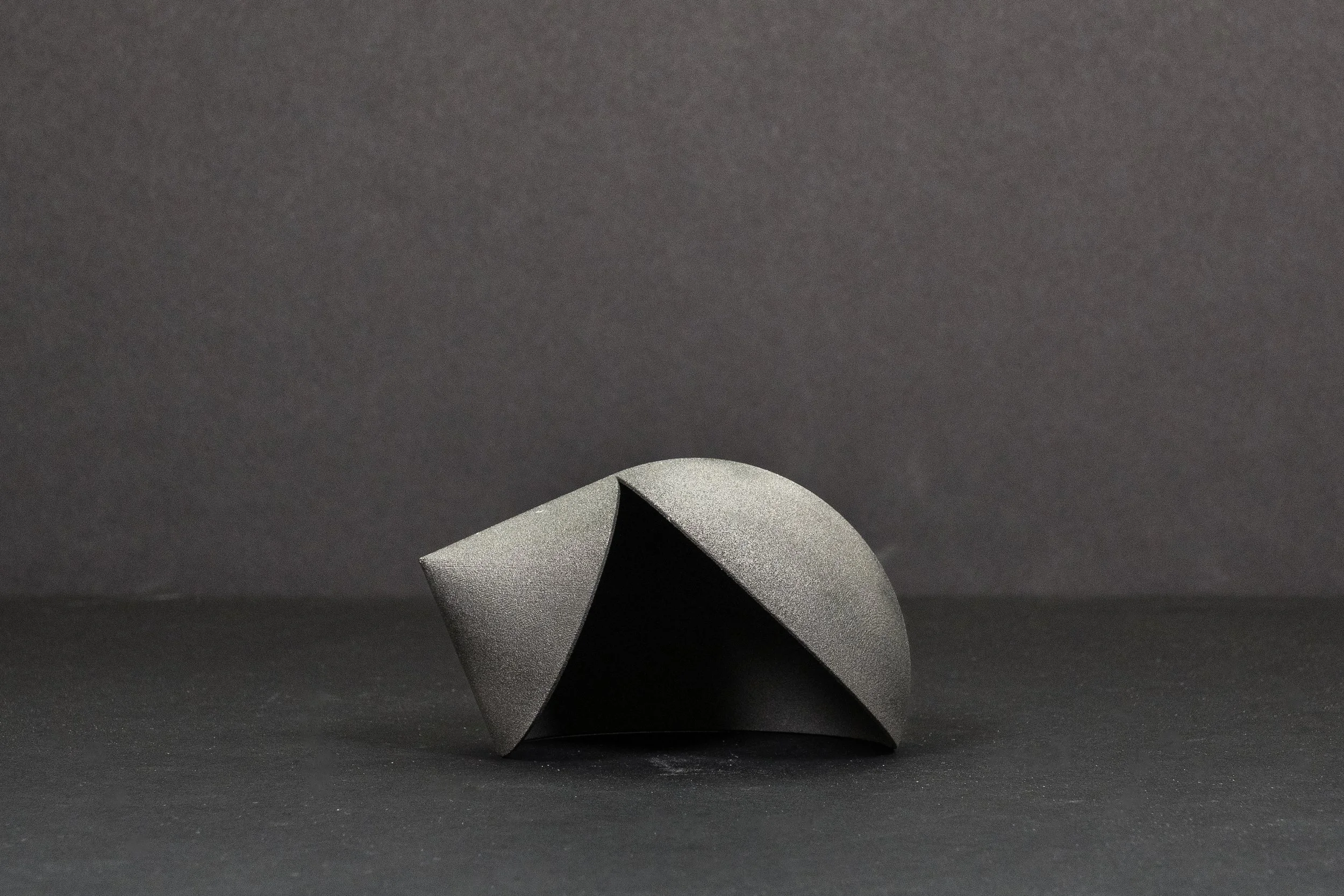
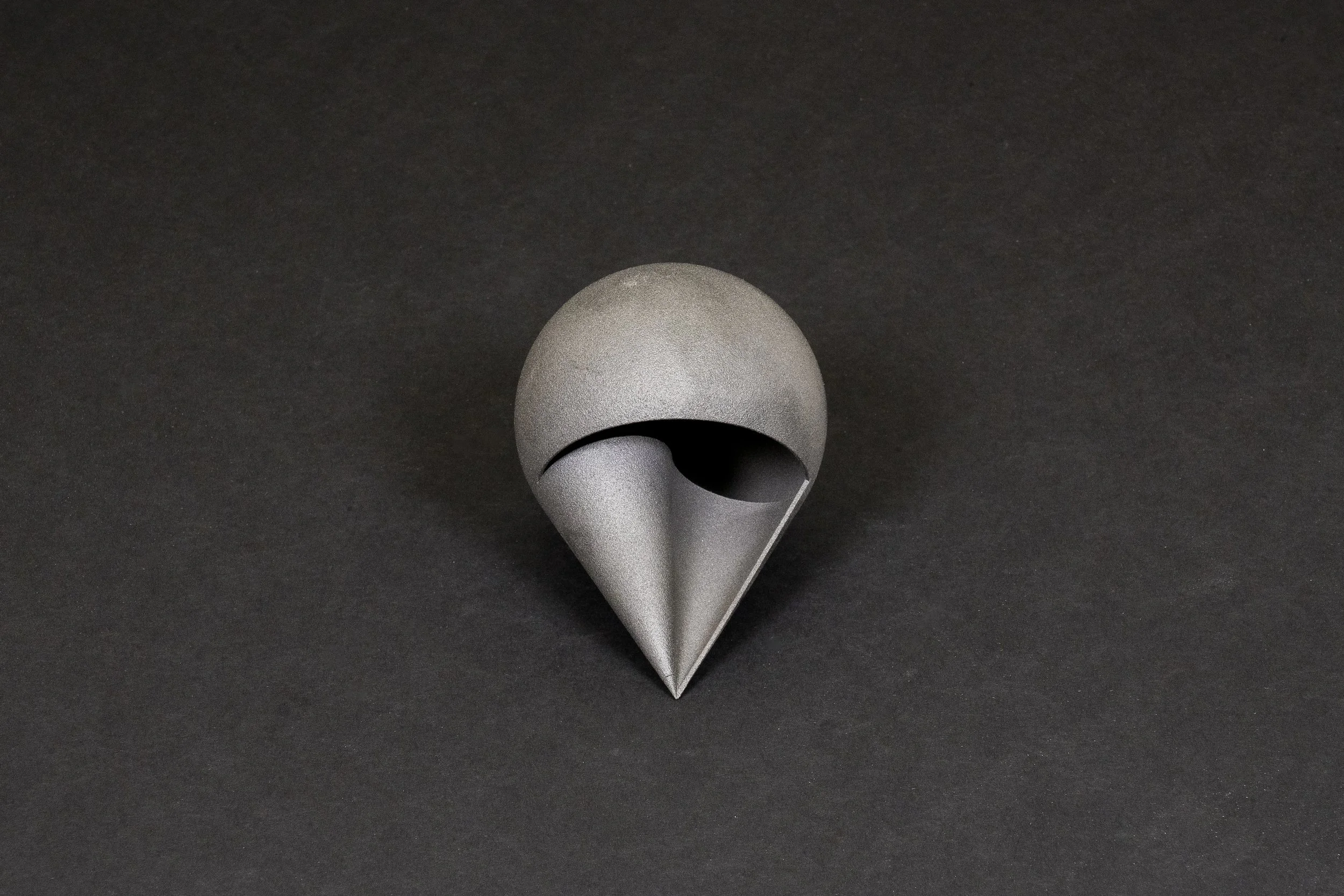
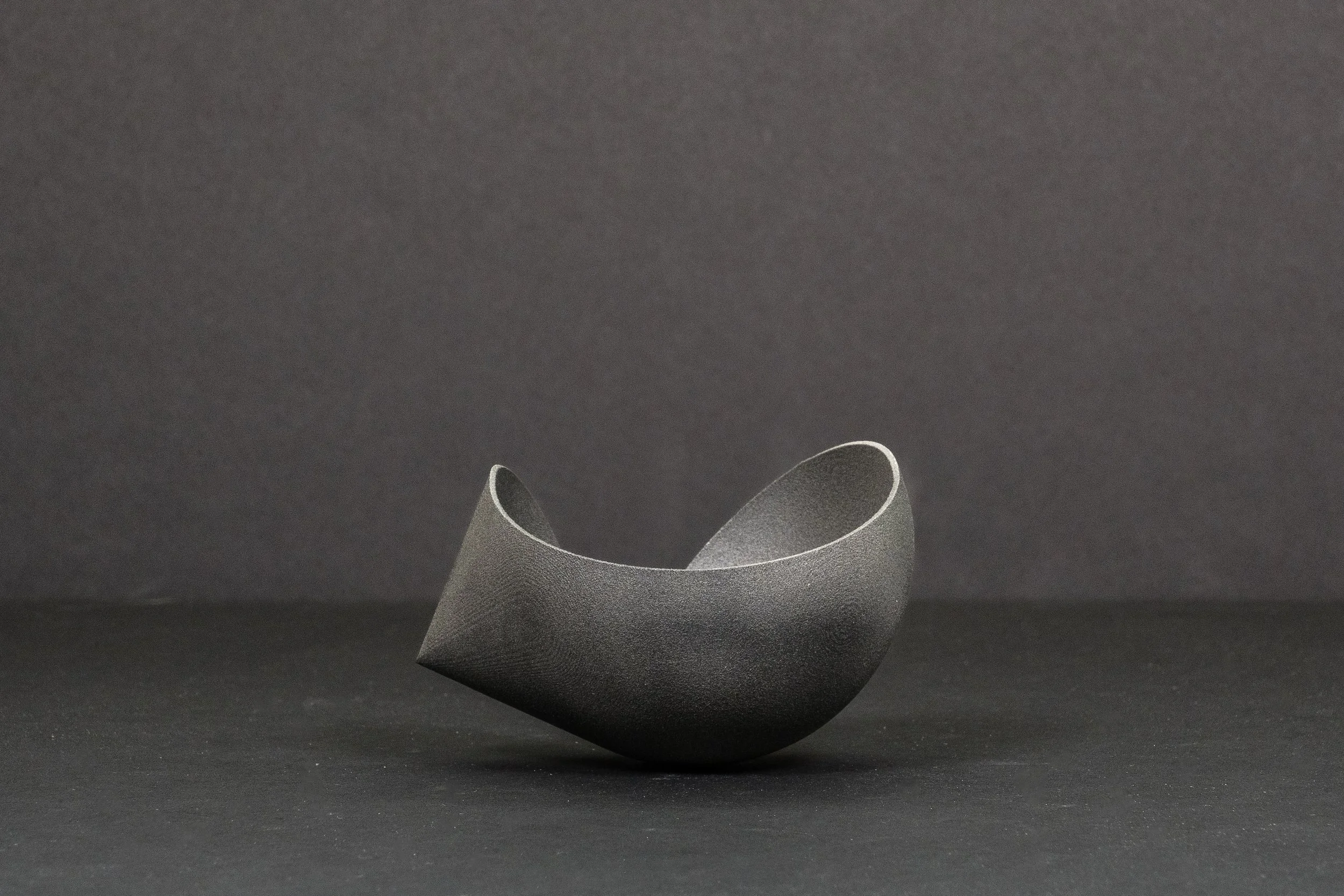
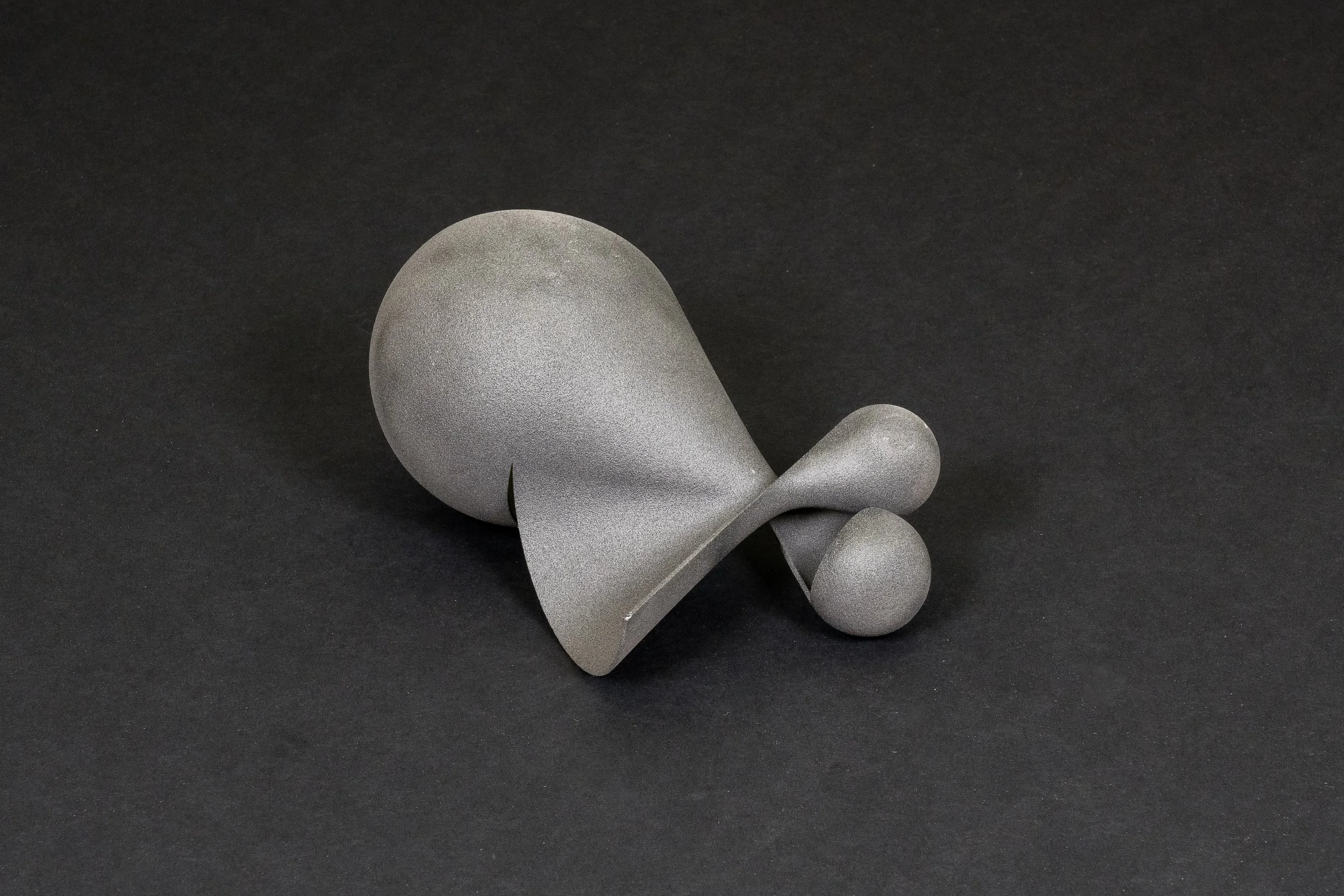
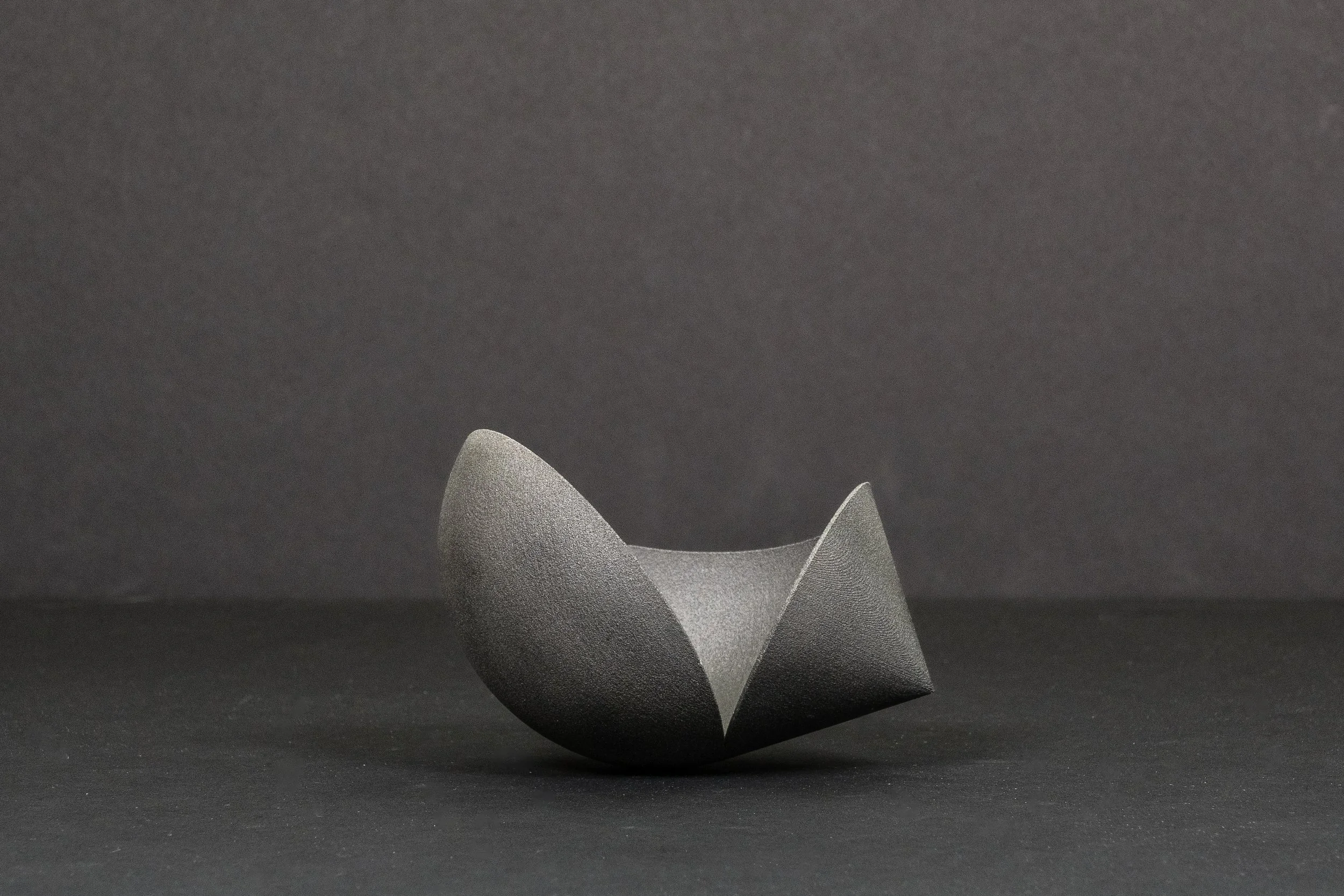
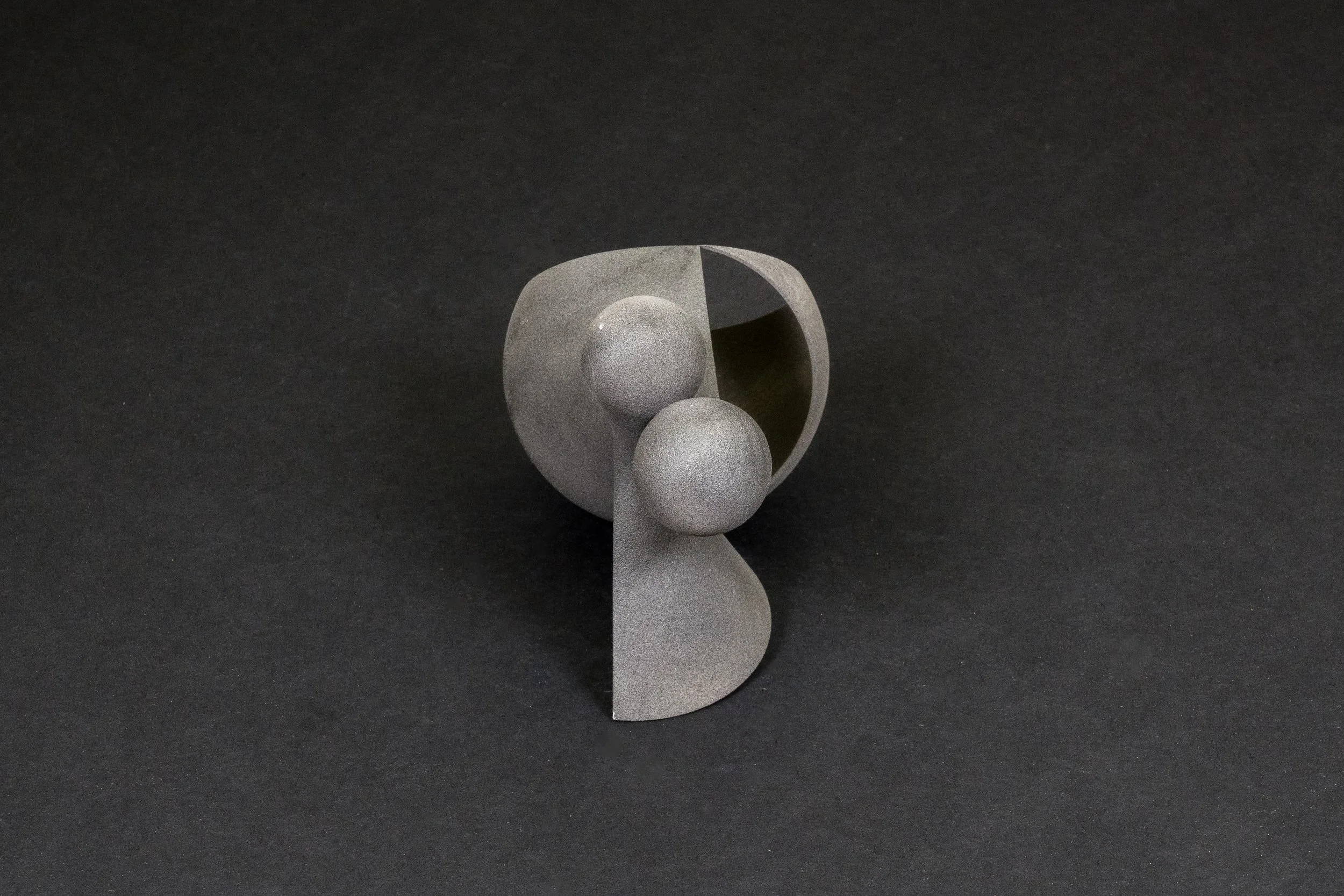
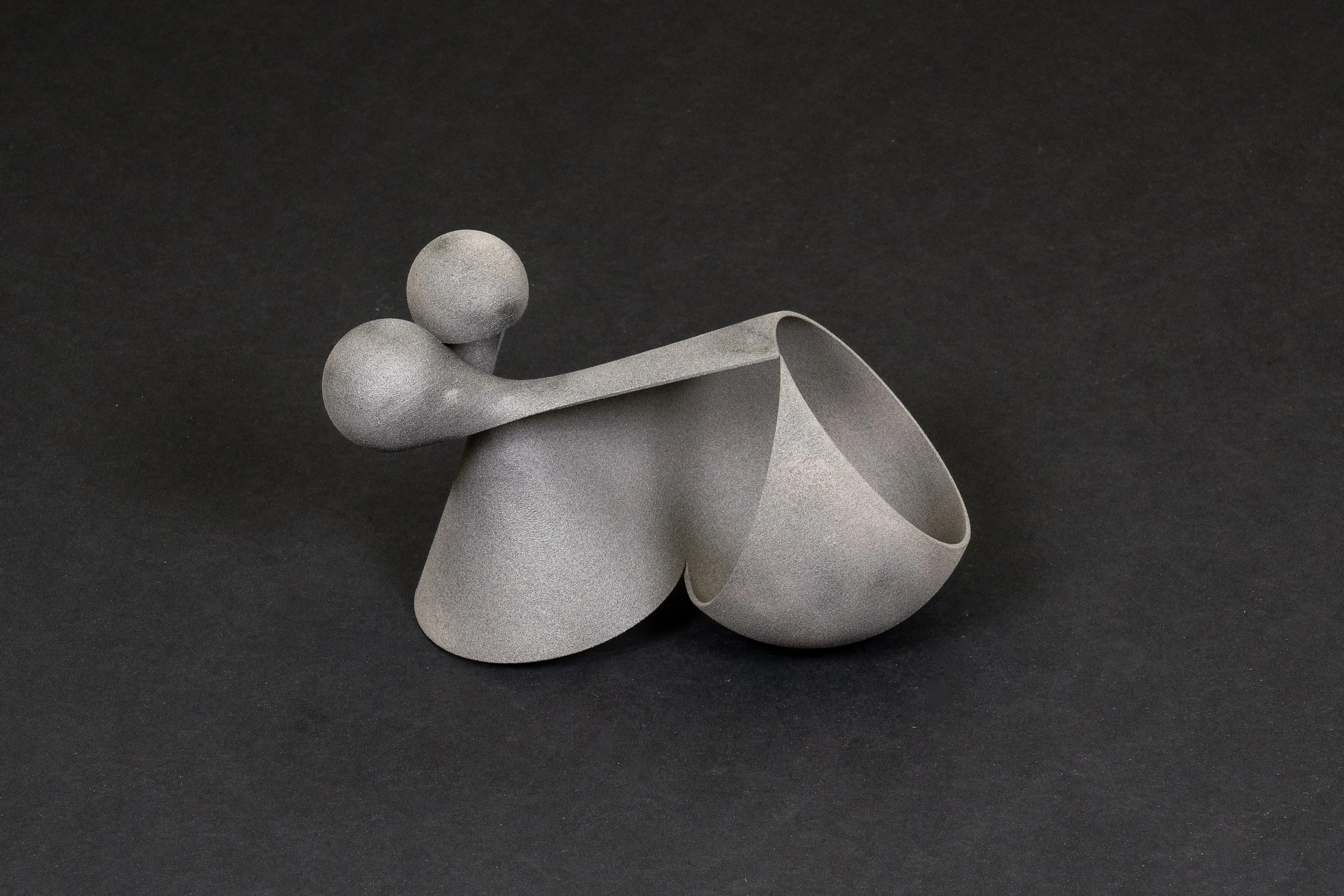
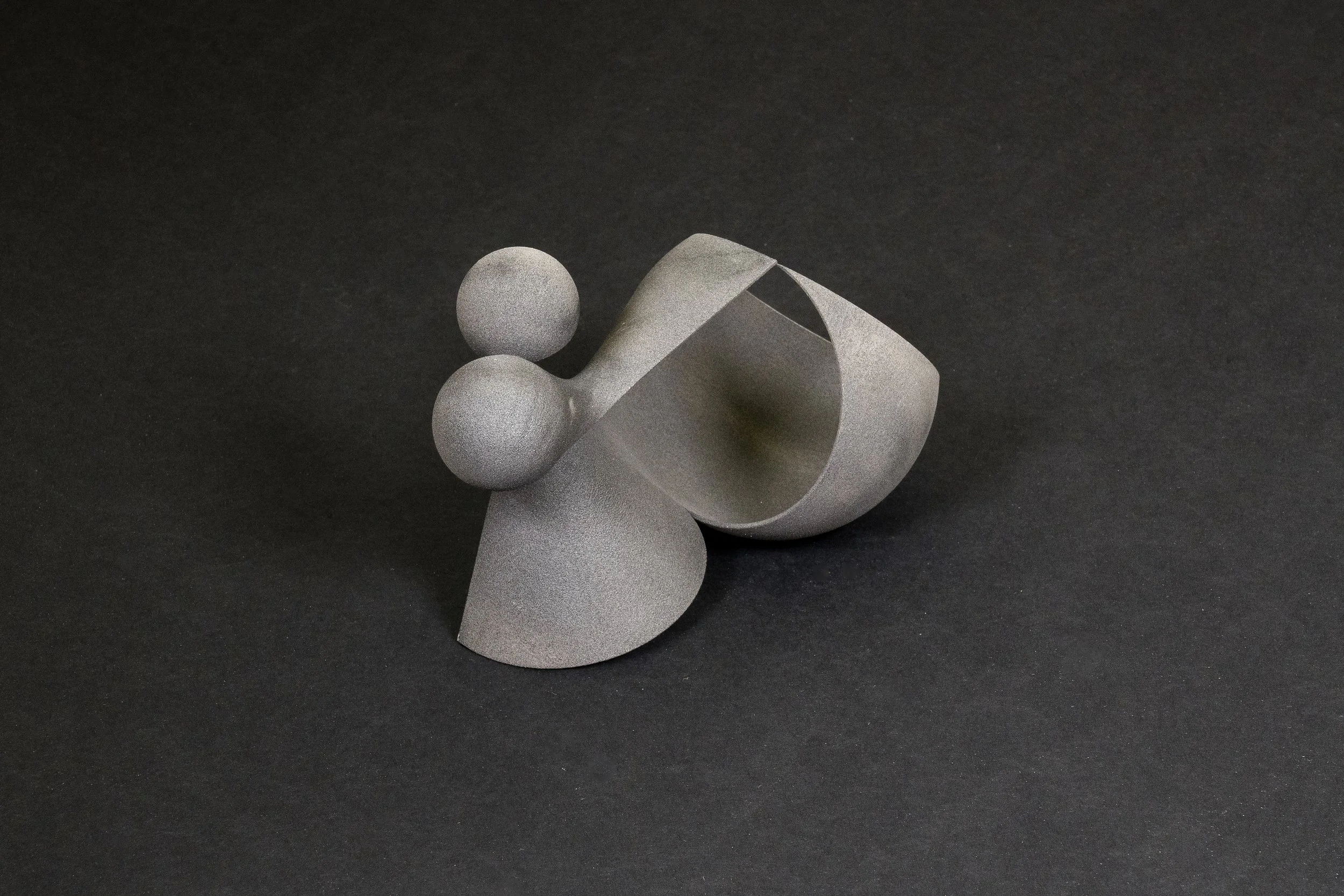
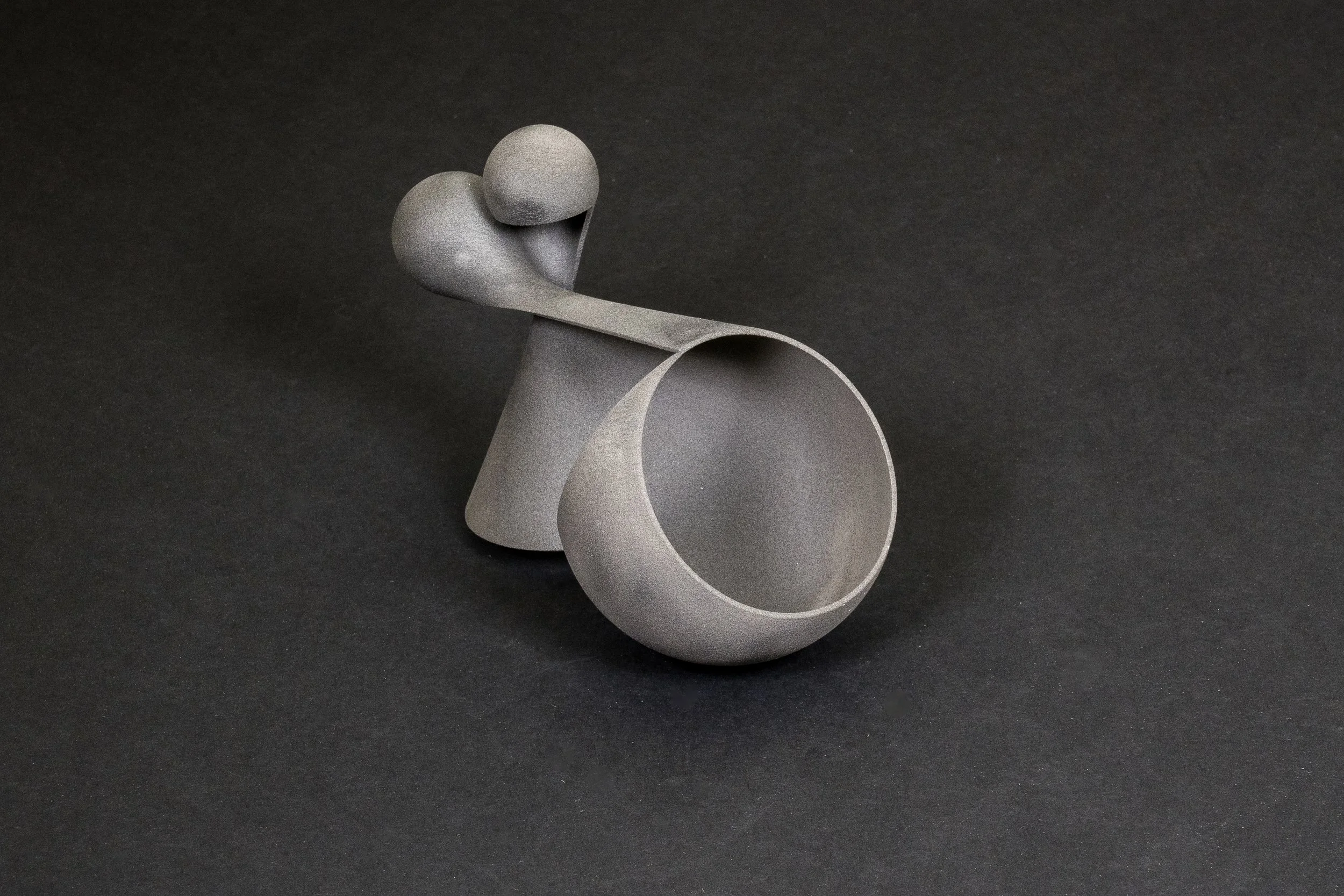
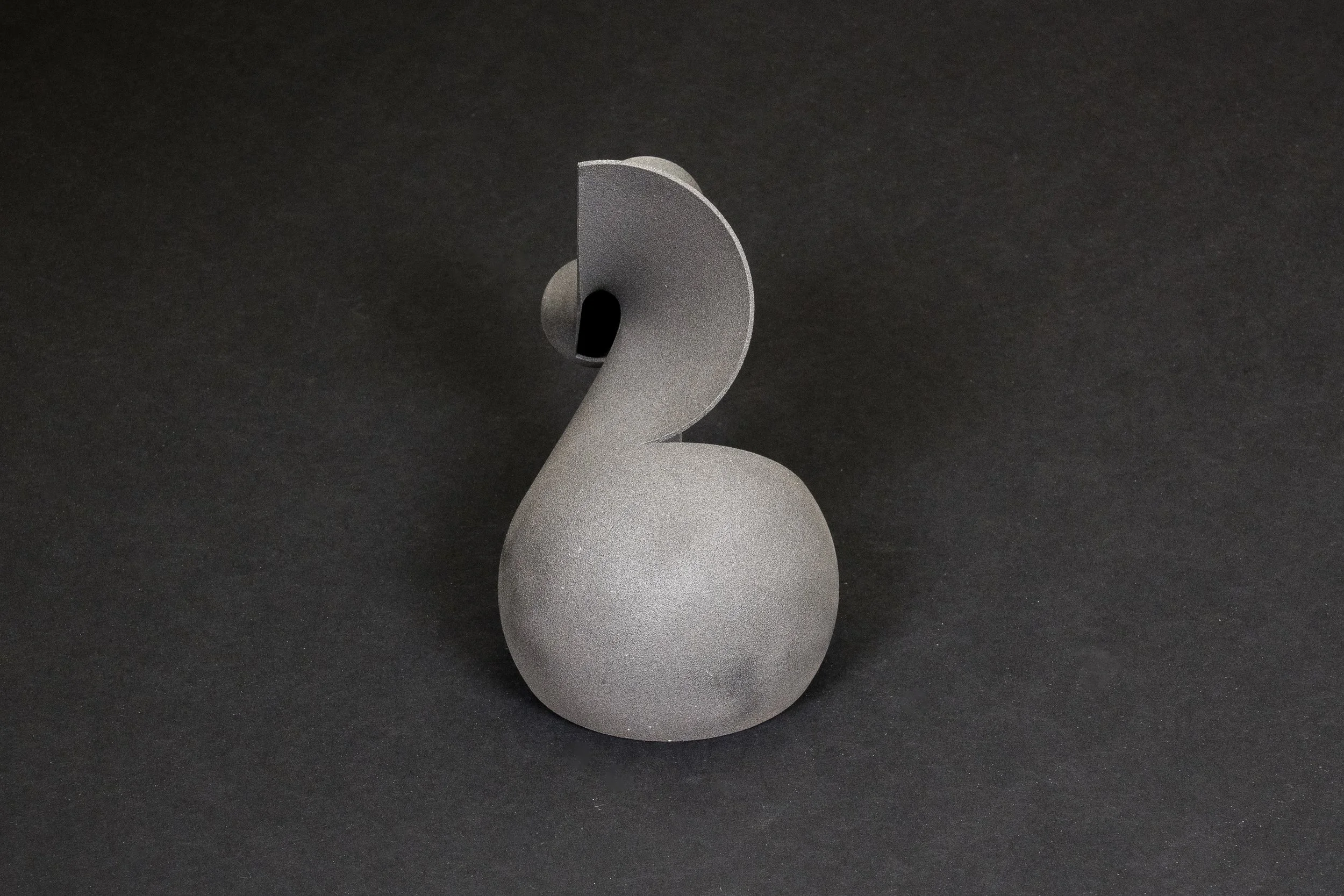
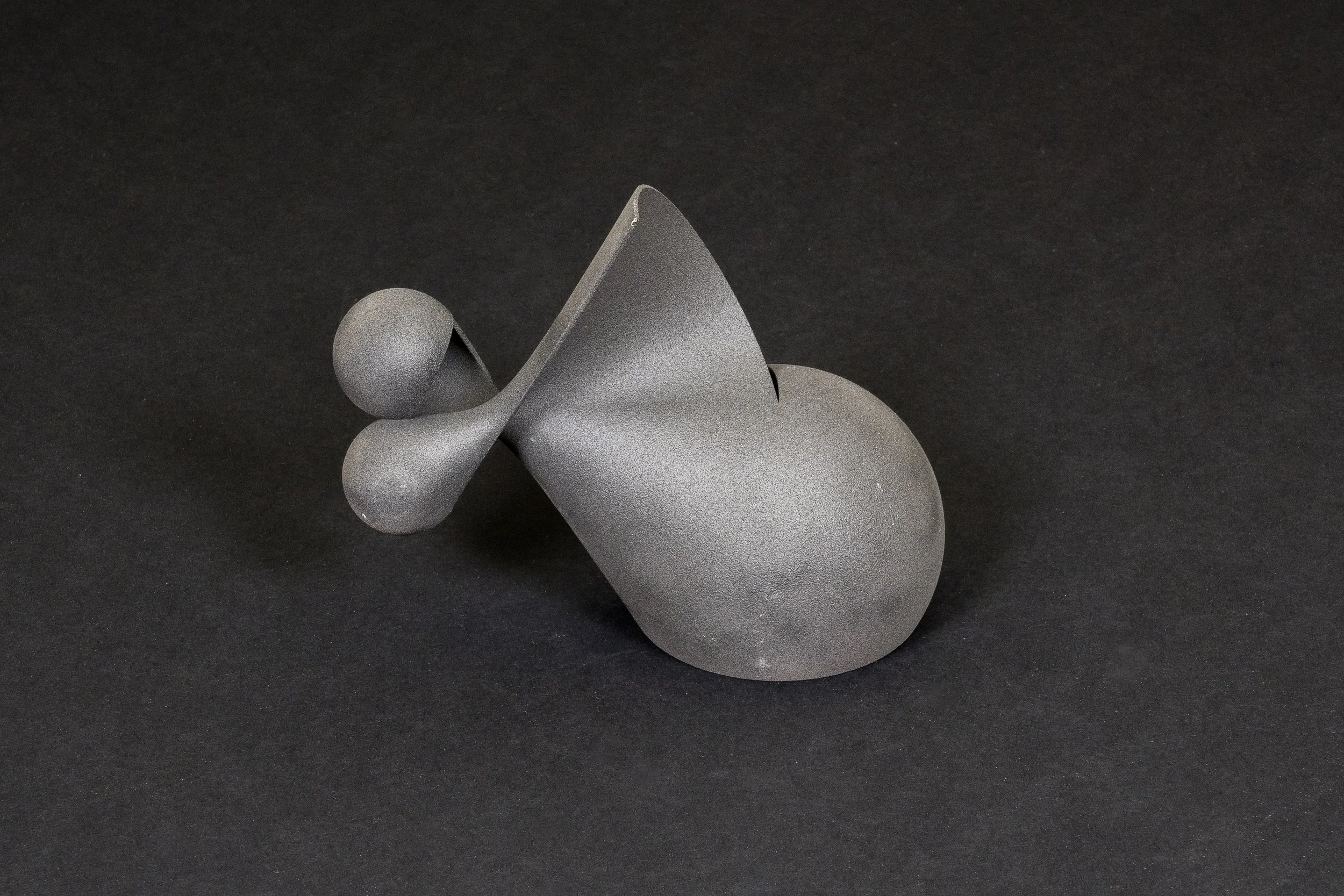
This is a series of studies in geometric and spatial paradoxes. Primitive surfaces and solids are stitched tangentially in smooth and combinatory ways that render geometric transitions invisible—spheres are torn open by conic surfaces, hyperboloids, and cylinders, unraveling the single most hermetic and solid primitive into free, open, calligraphic surfaces.
Underlying these studies is the conflict between the desire to achieve surface continuity through the seamless transition of surfaces if their mathematical and tectonic definition (the curves that interpolate to produce the surfaces) are hidden, and the clashing of tectonic or structural definition if they are to be constructed and rendered using their UV curve fields.
The studies borrow from techniques of gestalt psychology akin to multi-stable perception—the oscillation in the mind between opposing visual traits—to challenge the visual and cognitive perception of spatial form. Formal and geometric attributes invert in the mind of the viewer—curvilinear and planar, convex and concave, surface and volume, and bilateral and rotational symmetries. Paradoxical spatial conditions are represented: objects appear to stitch in smooth combinatory ways in both parallel and perpendicular planes simultaneously; surfaces that momentarily appear to share an edge dissolve into incoherence; surface tangency is met with discontinuity and self-intersection.
2023
Model Photography by Alex Ma and Iman Fayyad